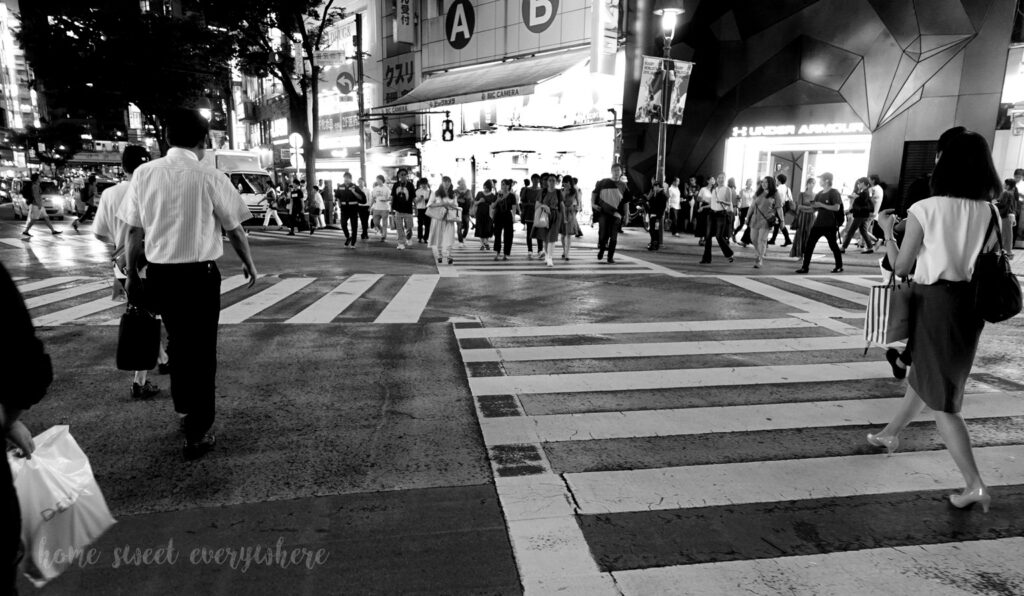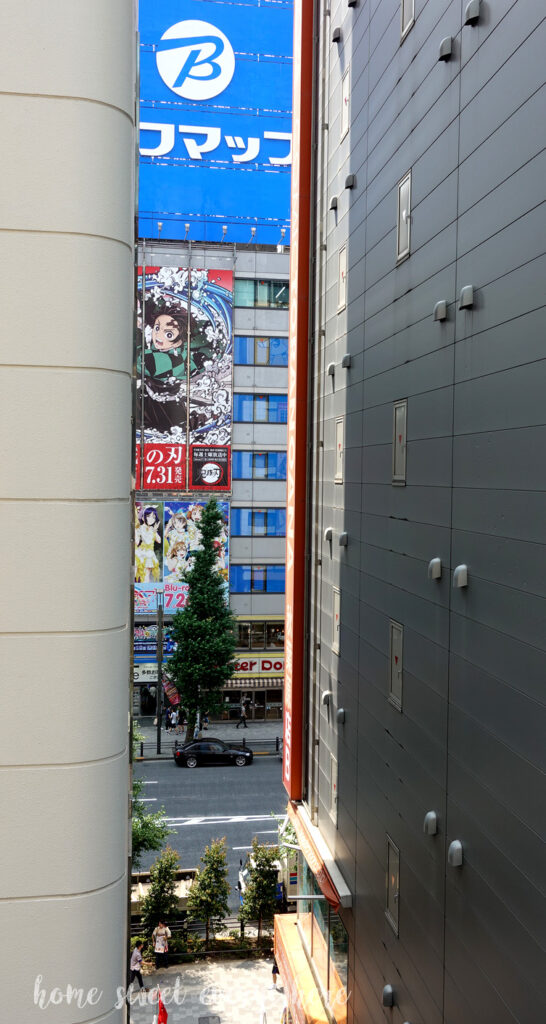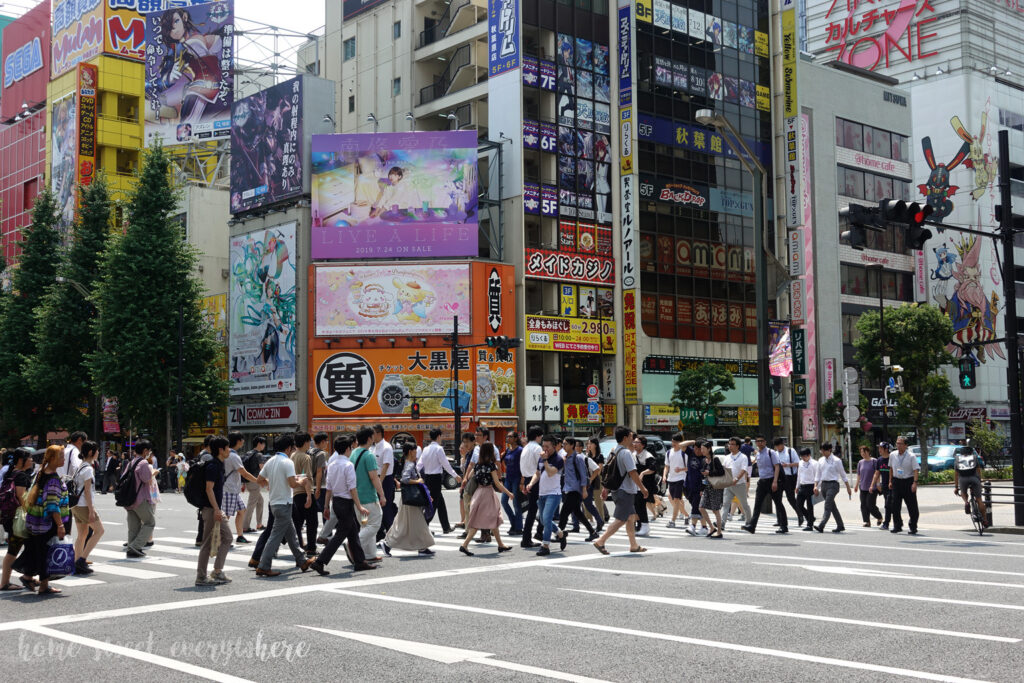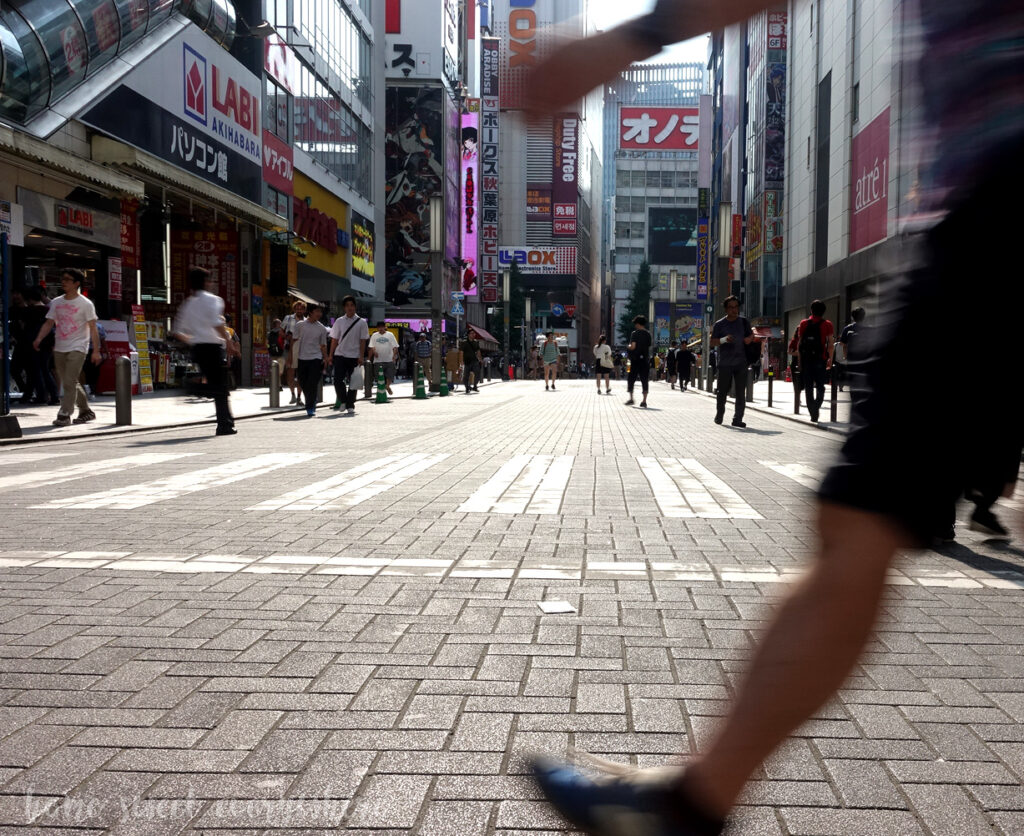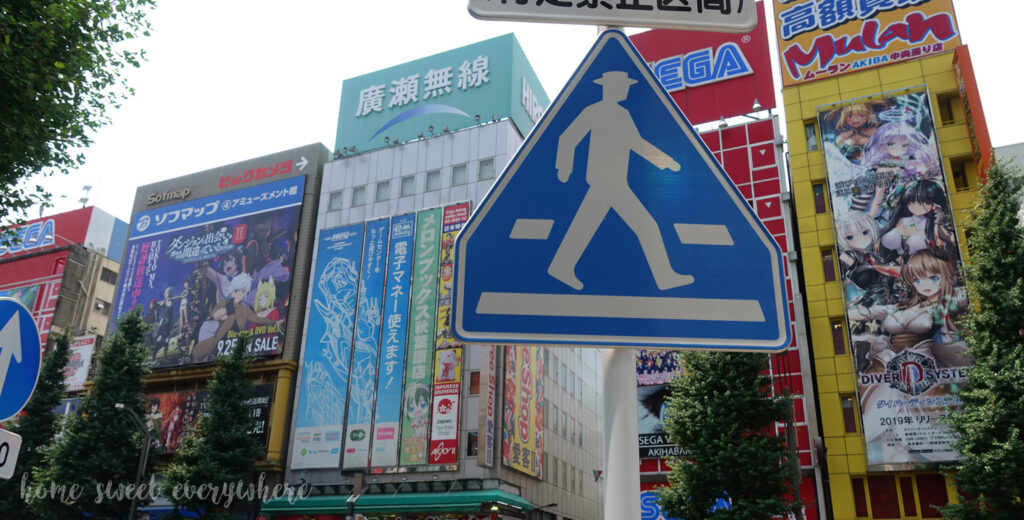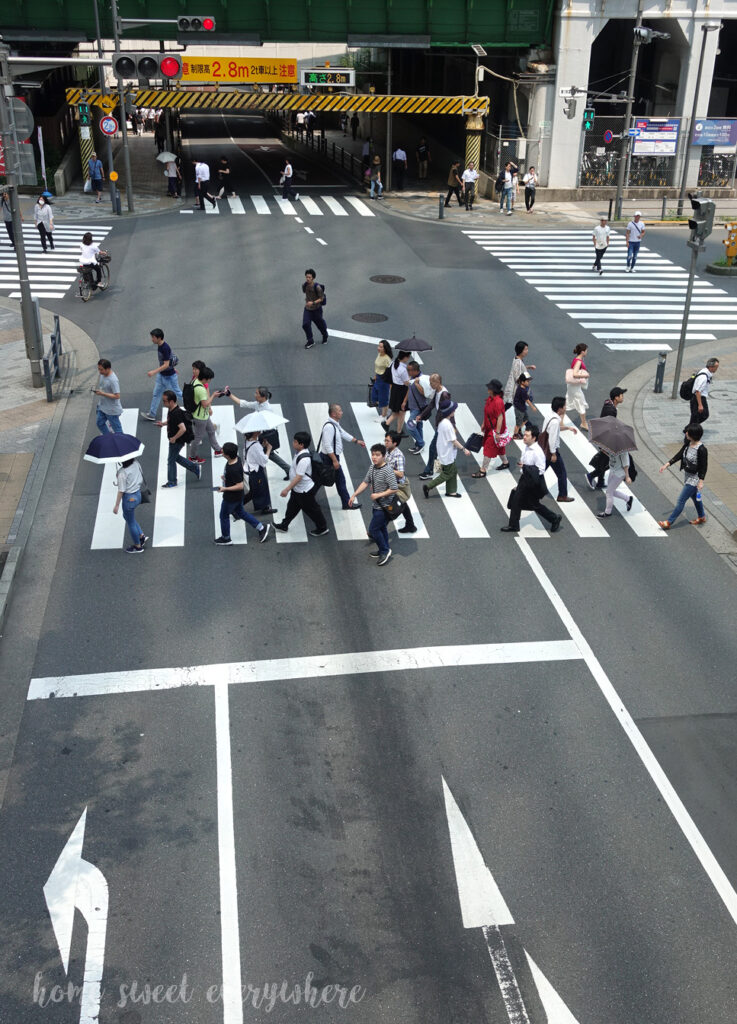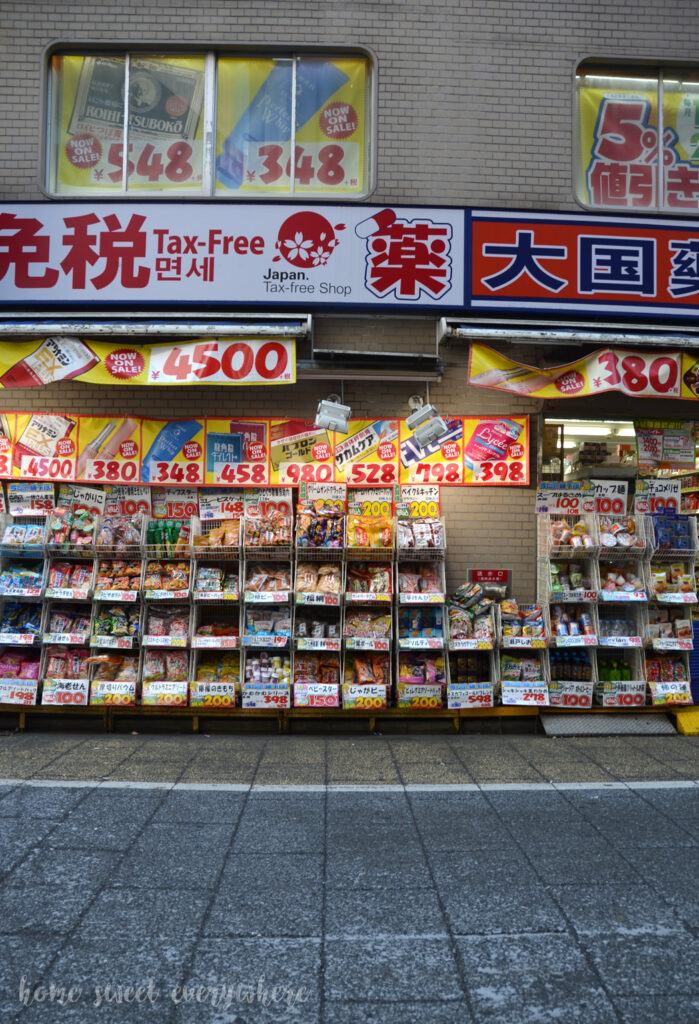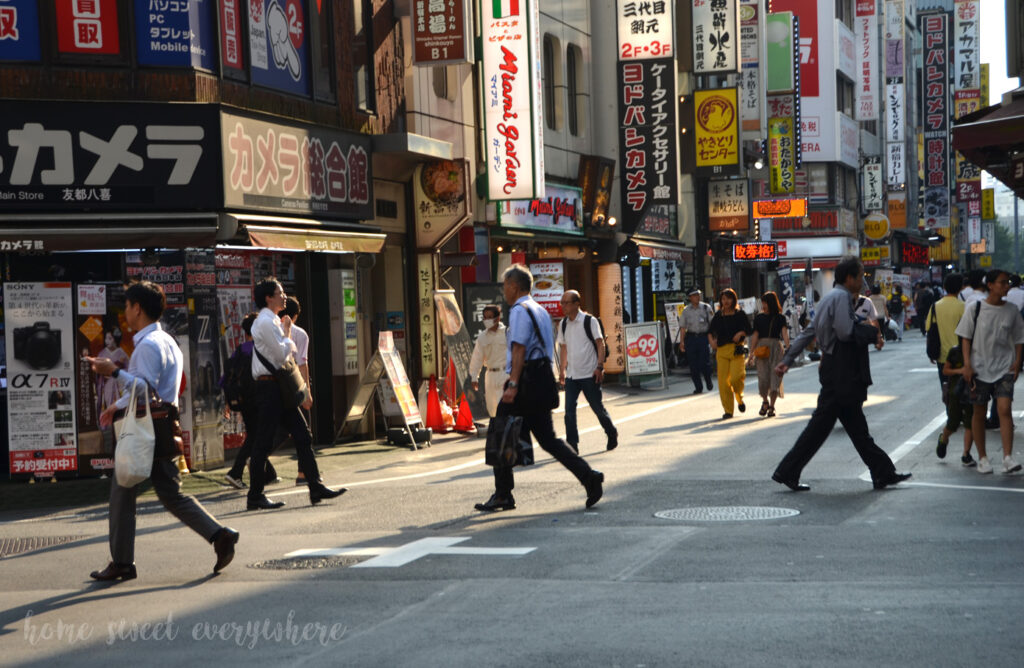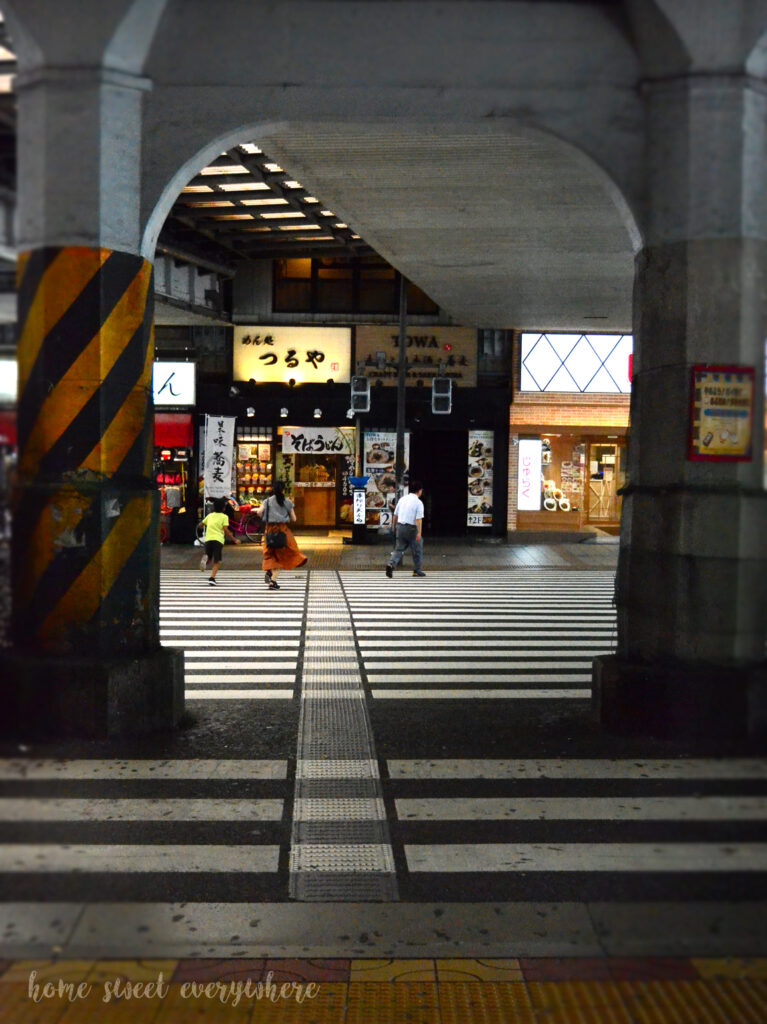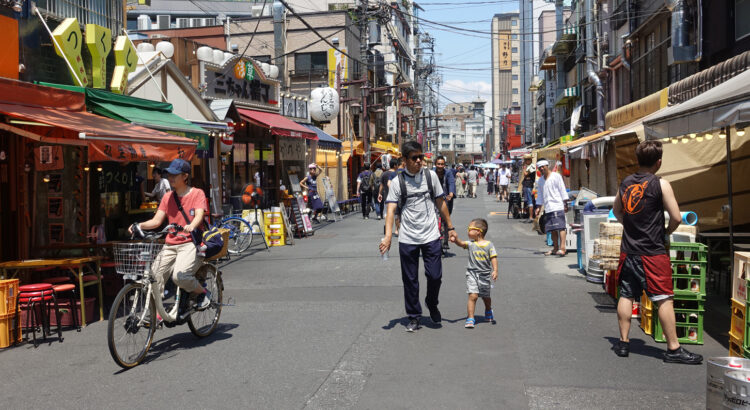
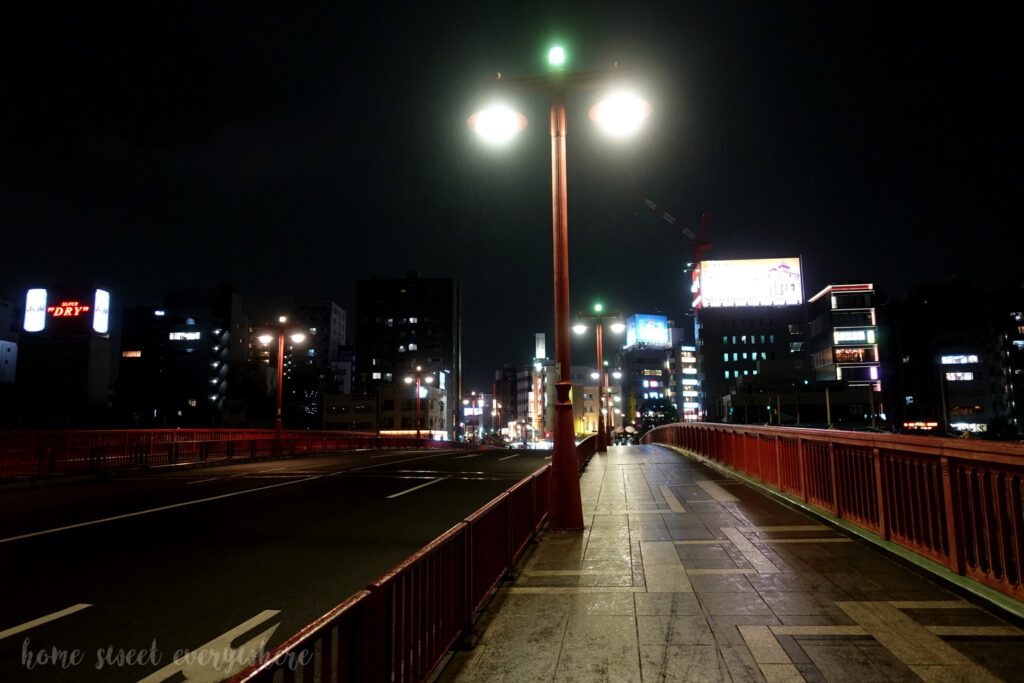
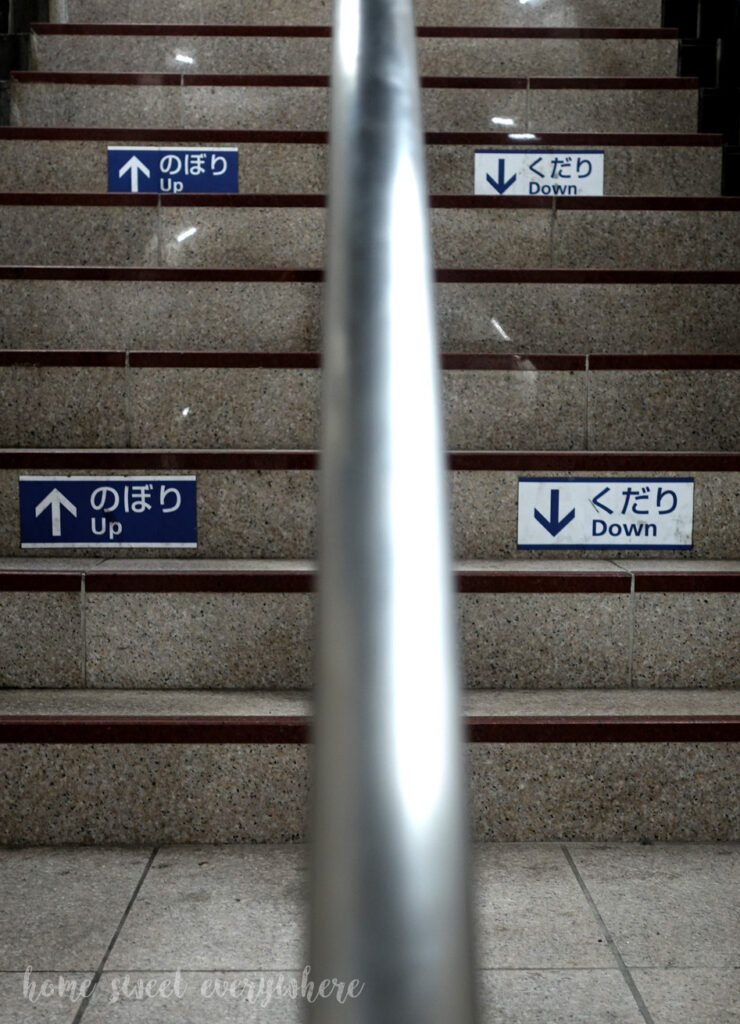
I’ve never spent much time in Tokyo during the summer months. Because of school holidays, it was the time that I, too, would take my holidays and travel to other Asian countries to enjoy their summer humidity. So, the summer of 2019 is my first time properly enjoying Tokyo in August. I’m staying in Asakusa, a little chic cube hotel not too far from a metro stop, and a nice walk to Senjo-Ji Temple and the Don Quijote store. I get up early in the morning, just as most people are heading to work, silently marching toward the train and subway stations, and meander through the small alleys. On the main throughways, signs on the sidewalk tell me which section of the sidewalk I’m to use, and I obey, as do all others.
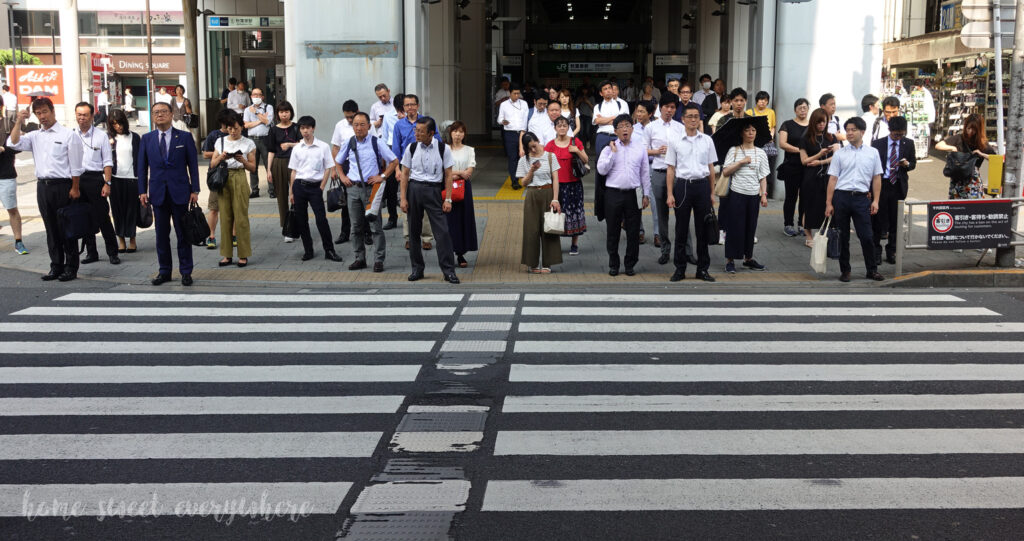
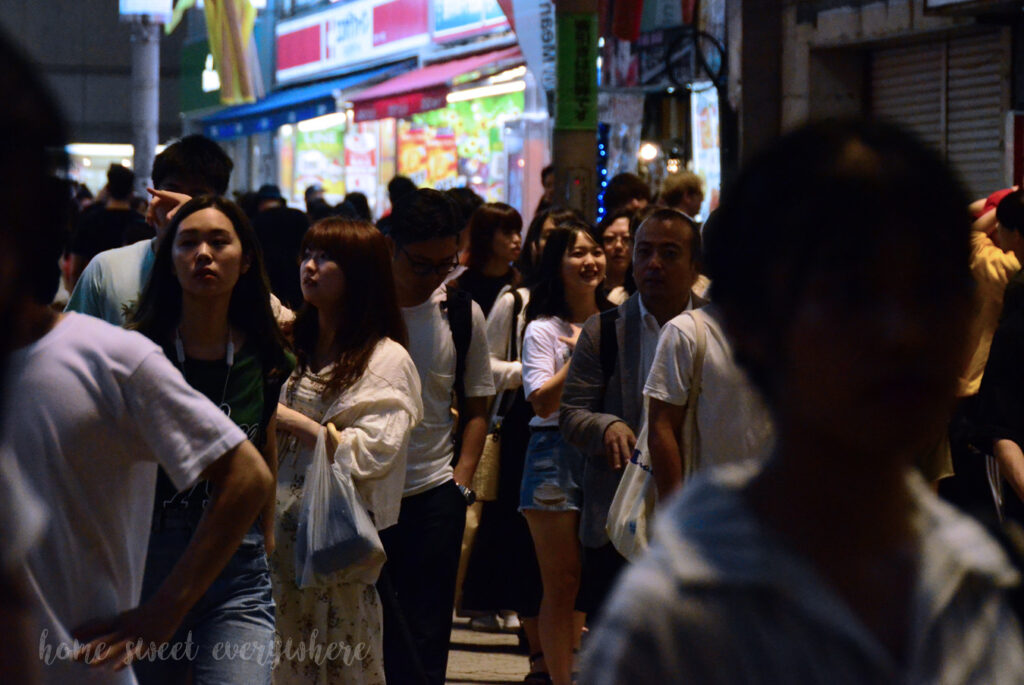
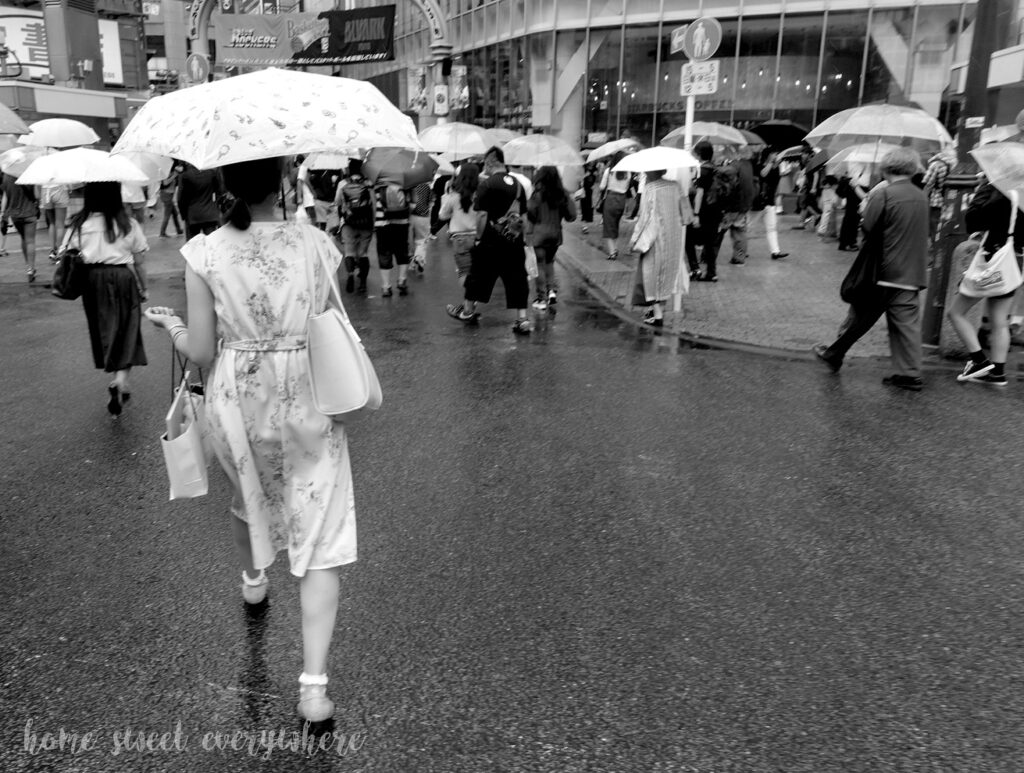
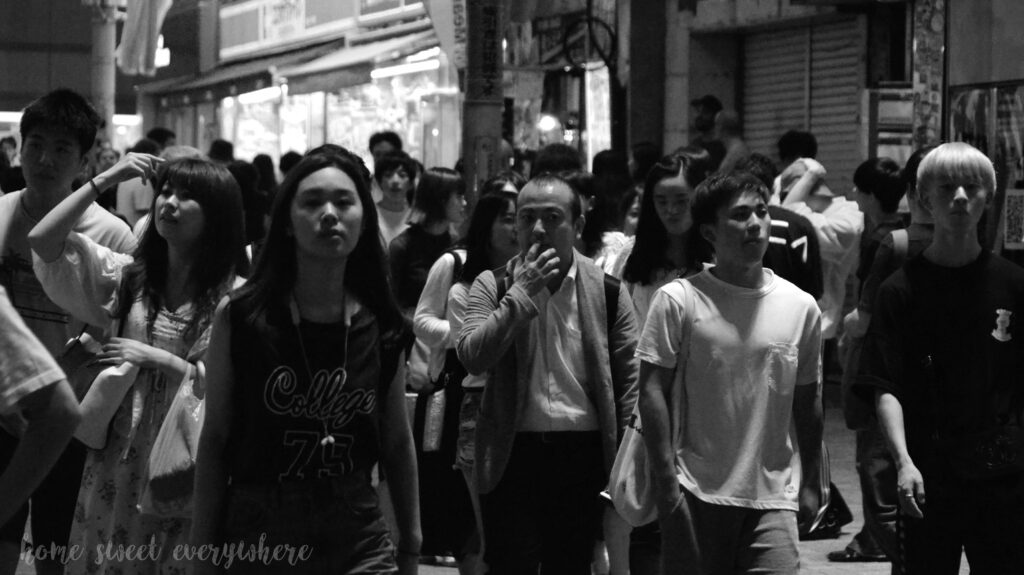
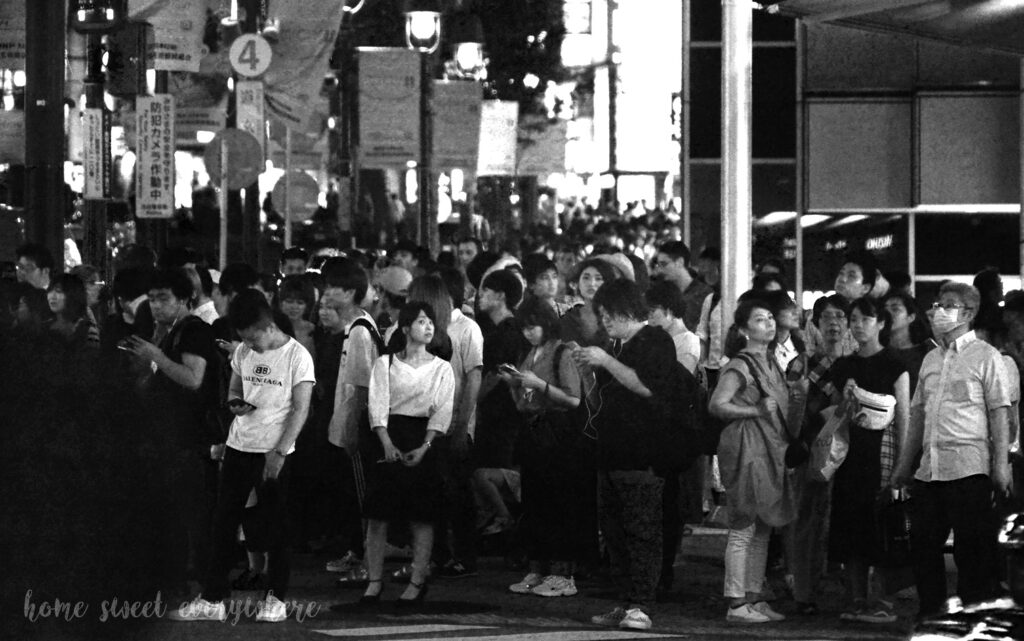
In other countries, I loathe crowds, but here I don’t mind them. Even a crowd here is organized, respectful, and tends to move in one direction.
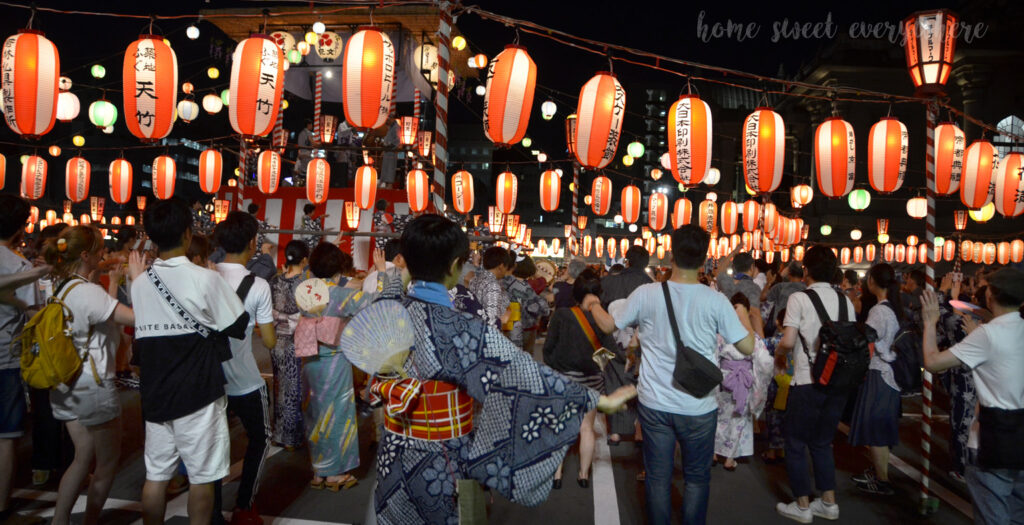
Summer is full of festivals, so I’ve mostly organized my trip around them. My first is the bon-odori at Tsukiji Honganji Temple. As soon as I get off at Higashi-Ginza Metro Station, I don’t have to worry about where to go – I melt into the crowd, and float towards the temple grounds where hundreds of people are already picnicking, dancing, eating, and joyfully chatting. A group of girls have set up a picnic between two columns of the temple, and this sight, along with all the other groups here to celebrate, makes me joyful.
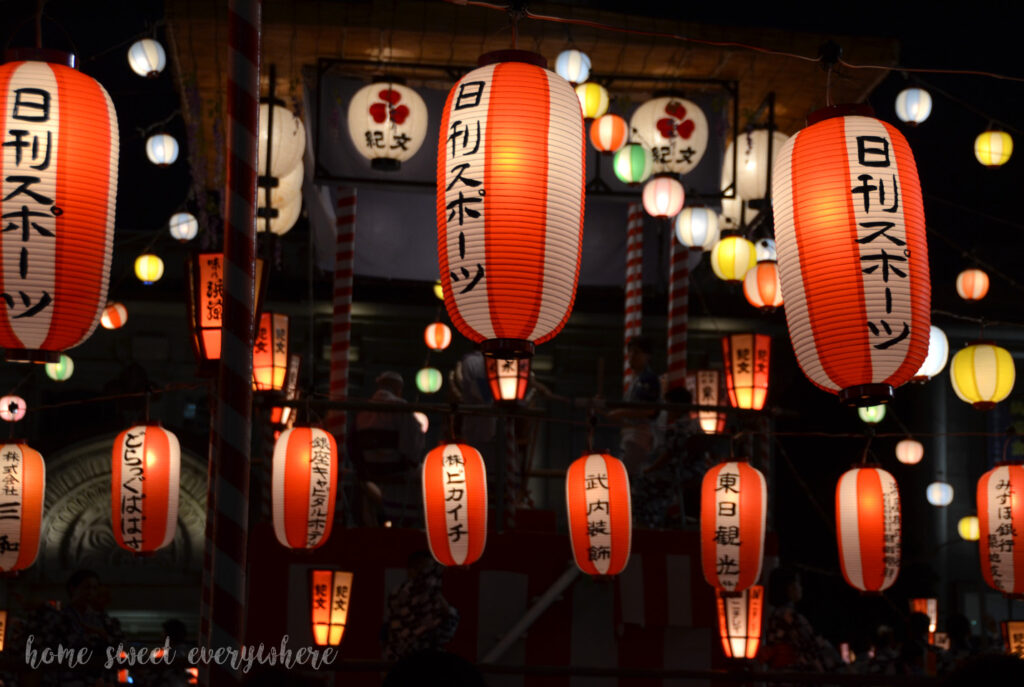
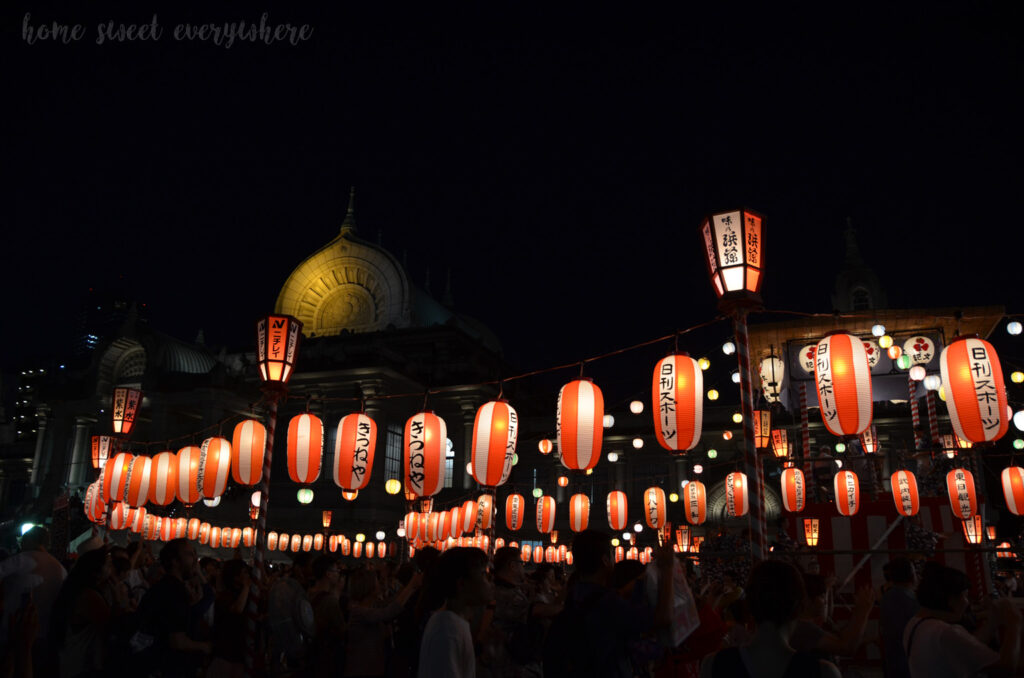
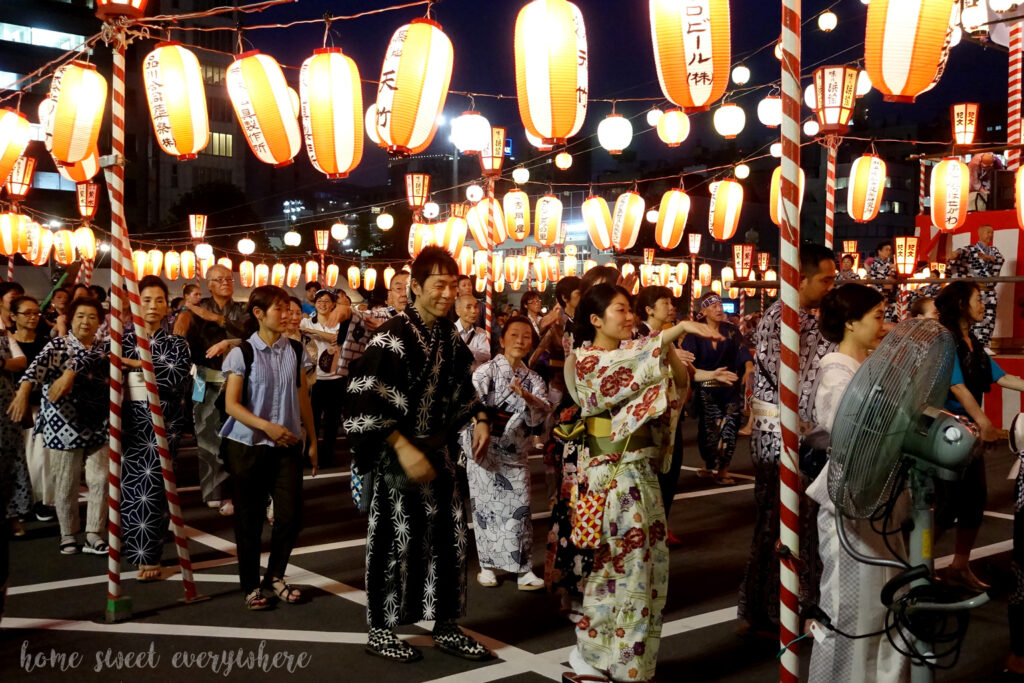
Soon, the sun sets, and the Temple is blanketed in a golden glow of the lanterns that have been hung around the yagura stage. Around it, people dance, each following the rhythmic movement of the beating drums and song, with their hands and feet.
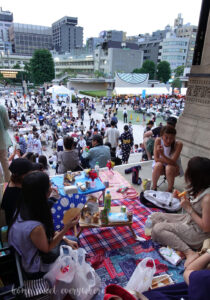
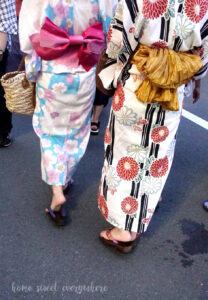
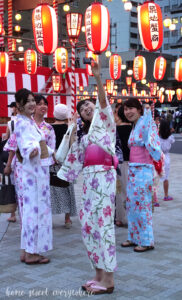
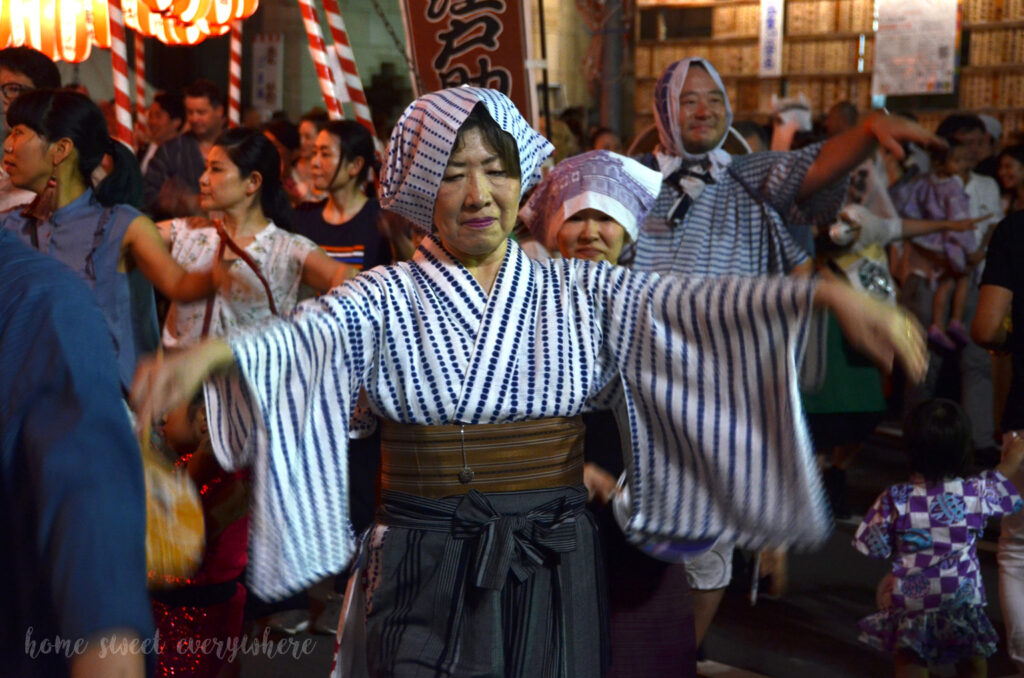
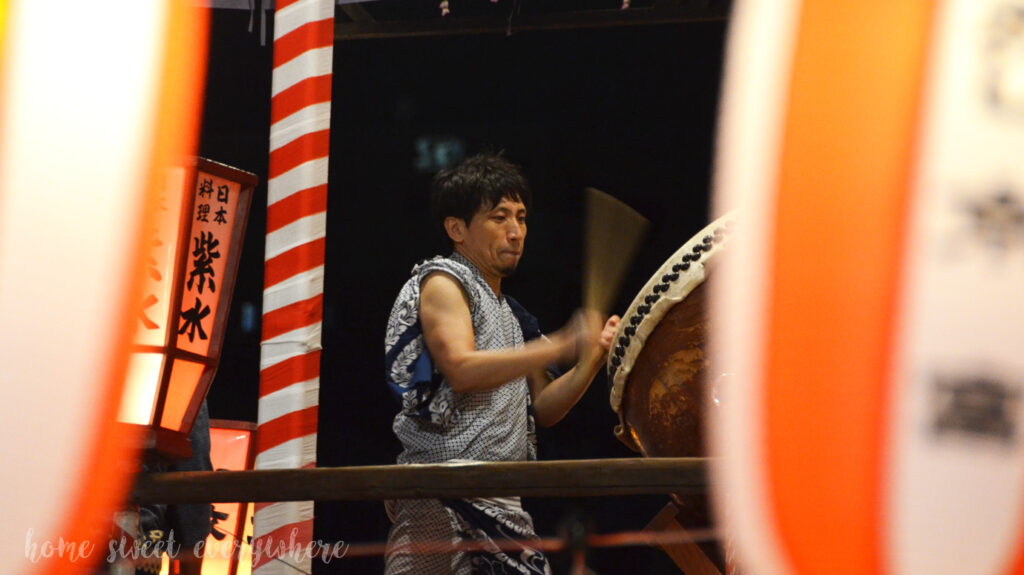
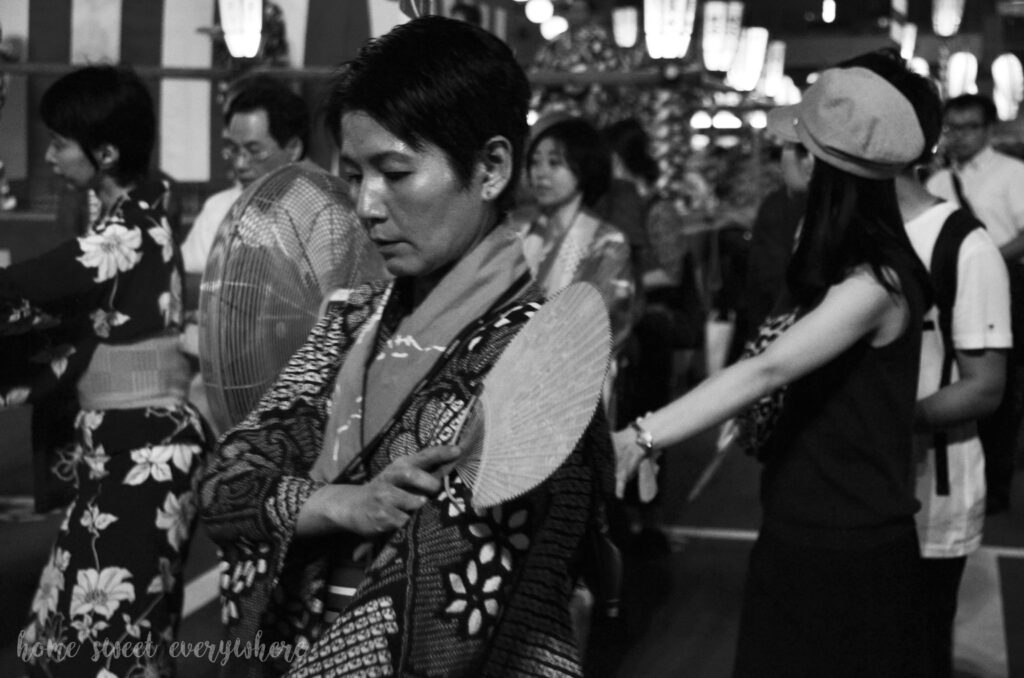
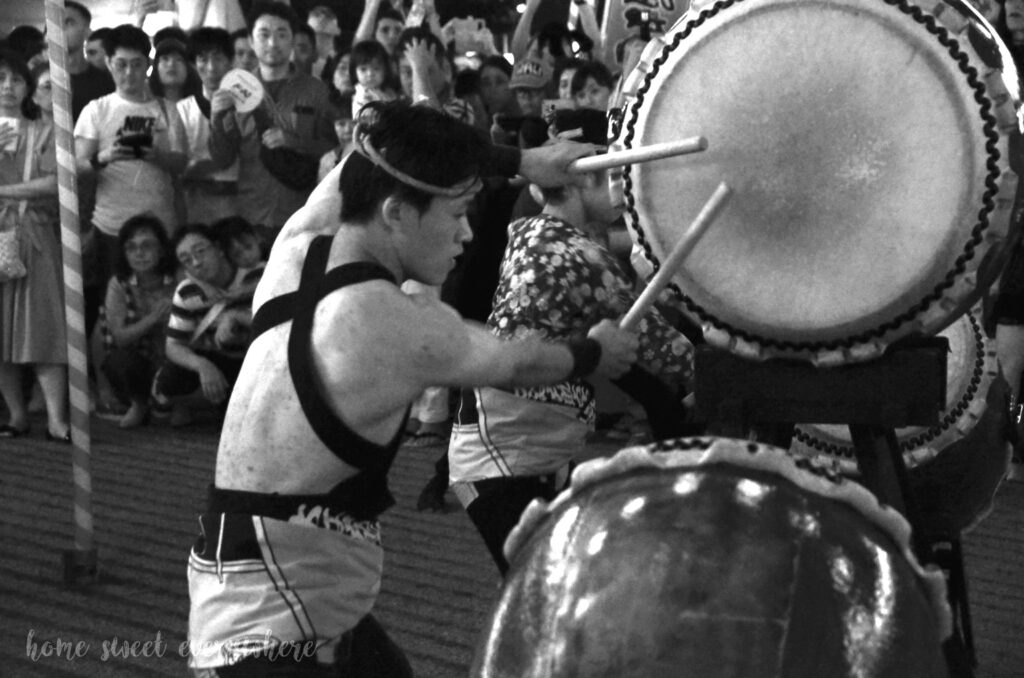
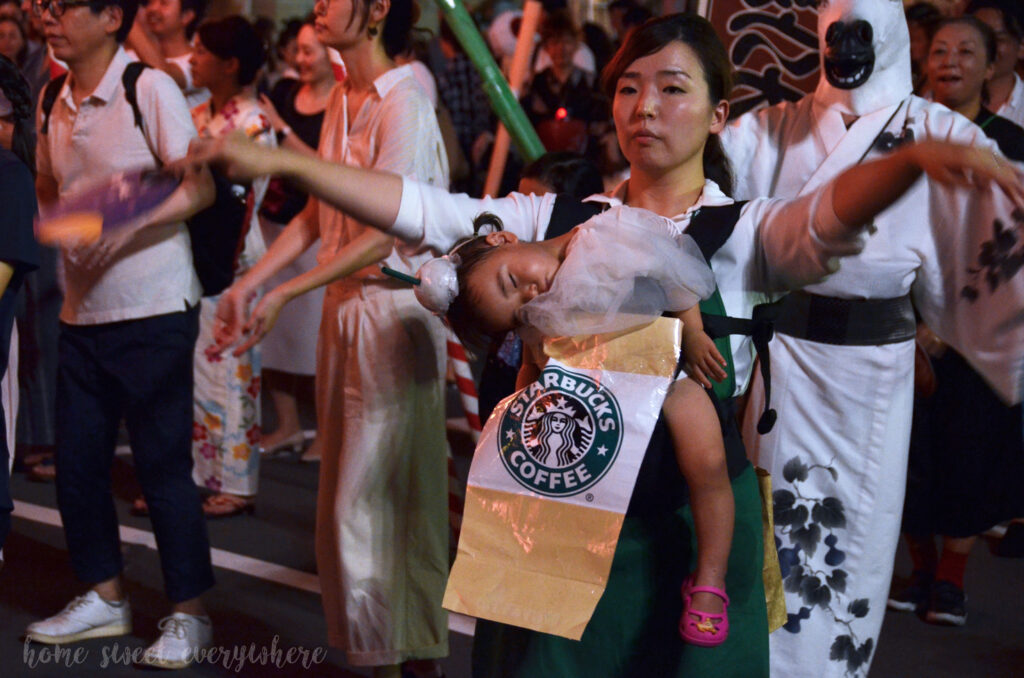
Though I don’t dance (looking back now, I should have), I stand at the cusp of onlookers and wonder at the magic that happens in a society that has such ingrained traditions – everyone seems to know the dance, and everyone is encouraged to join in. There are some who seem not to know it, but they enter the circle and mimic the people in front of them. The crowd of dancers is permeable; dancers enter and leave the circle at will. The circle welcomes everyone – the elderly; the businessman who is on his way home, still in his business suit and dress shoes, dancing with his briefcase in one of his hands; the young mothers and fathers who have their babies strapped to their chests; the people who have come here specifically to dance and celebrate, donning their summer yukatas and zori sandals; the foreigners who get to experience Japan without any tourist schtick. It’s all walks of life: age, dancing ability, attire, ethnicity and income don’t matter. At times, there is a vibrant and energizing taiko performance, as much musical as it is athletic. This power of tradition is magic that astonishes me and holds me to my place for more than an hour. Thankfully this is a three day event, so I got to return for another infusion of Japanese essence.
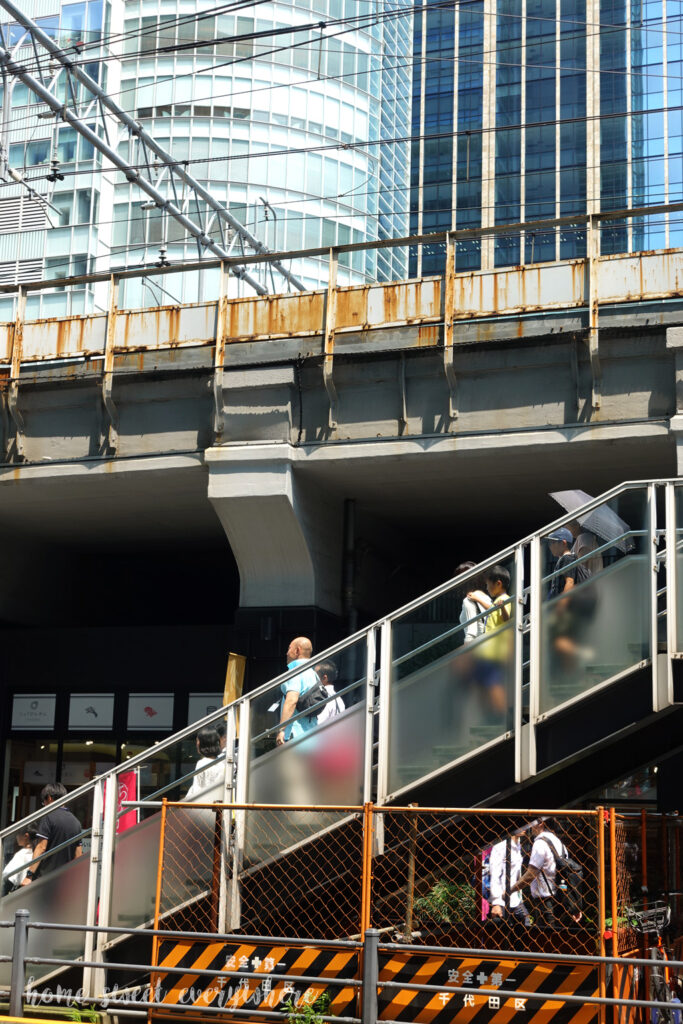
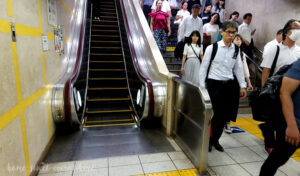
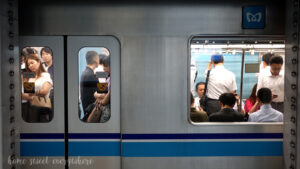
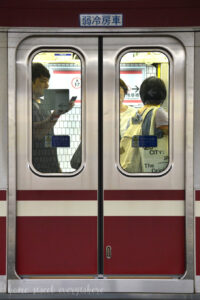
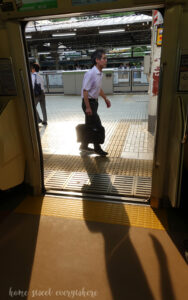
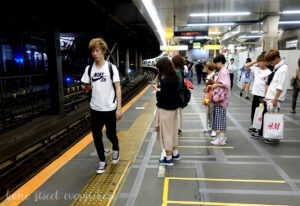
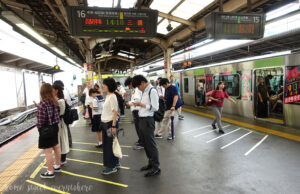
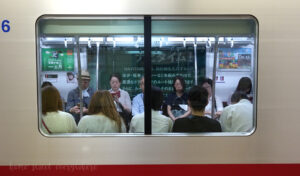
During the heat of the day I move from one neighbourhood to another, utilizing the metro, the Yamanote Line, and mostly, my feet. Though, I admit, I love the Tokyo transit system; it provides a feast for the eyes and is a great place to study the Japanese.
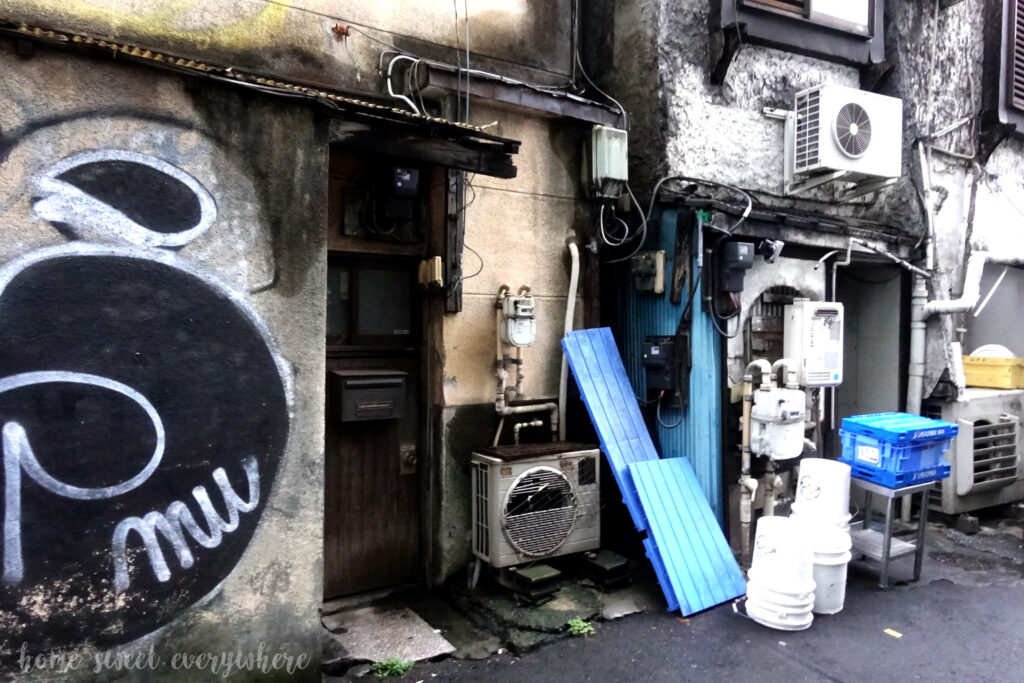
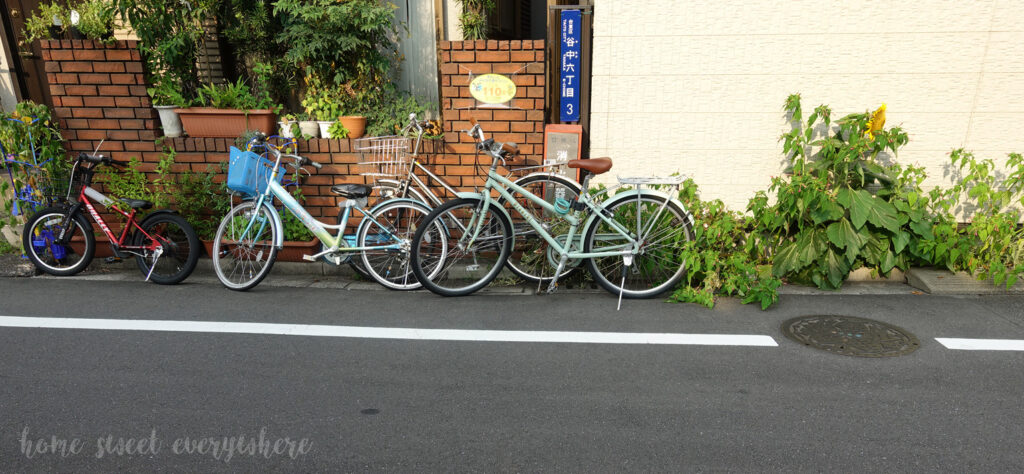
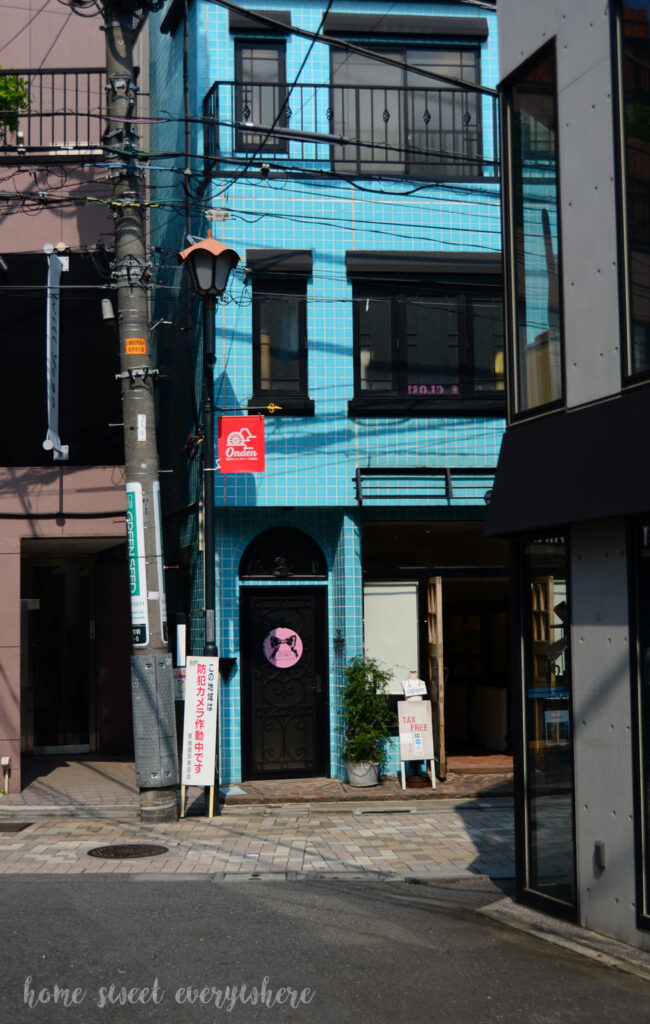
As per usual, my feet usually turn down alleys and roads that provide the most shade, and it’s a wonderful way to see Tokyo because it isn’t on the grid system, so each turn takes me to what I feel are ‘secret places’ in Tokyo that other visitors don’t get to see.
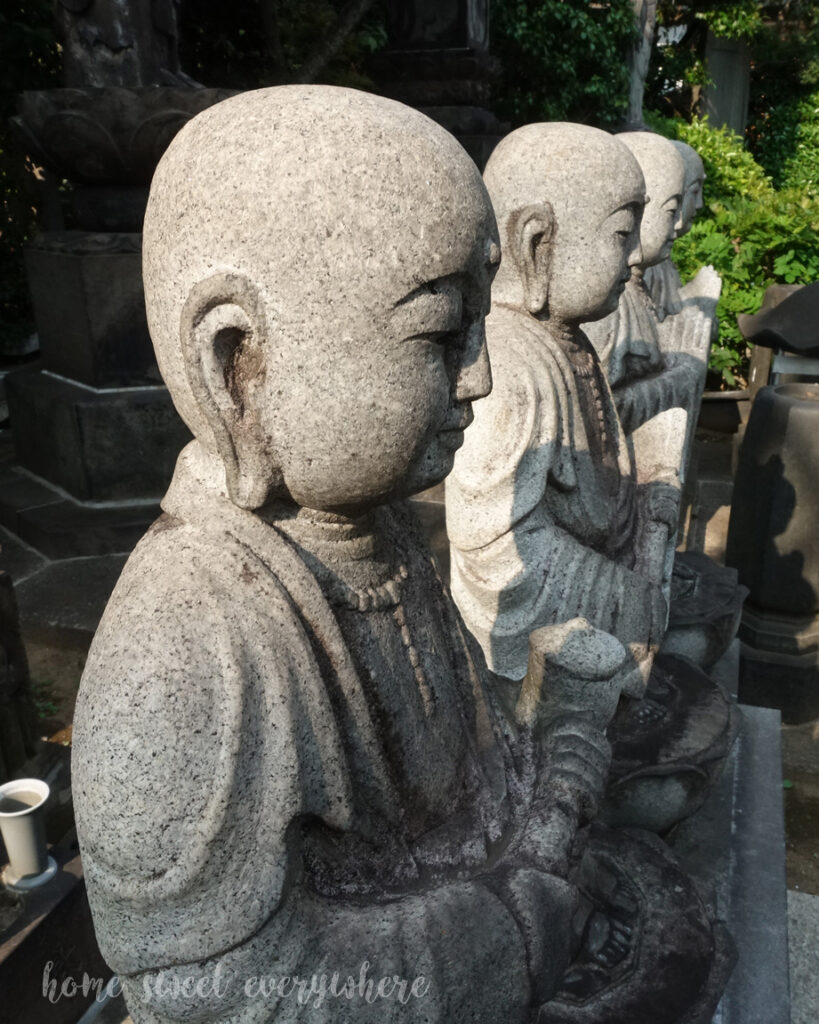
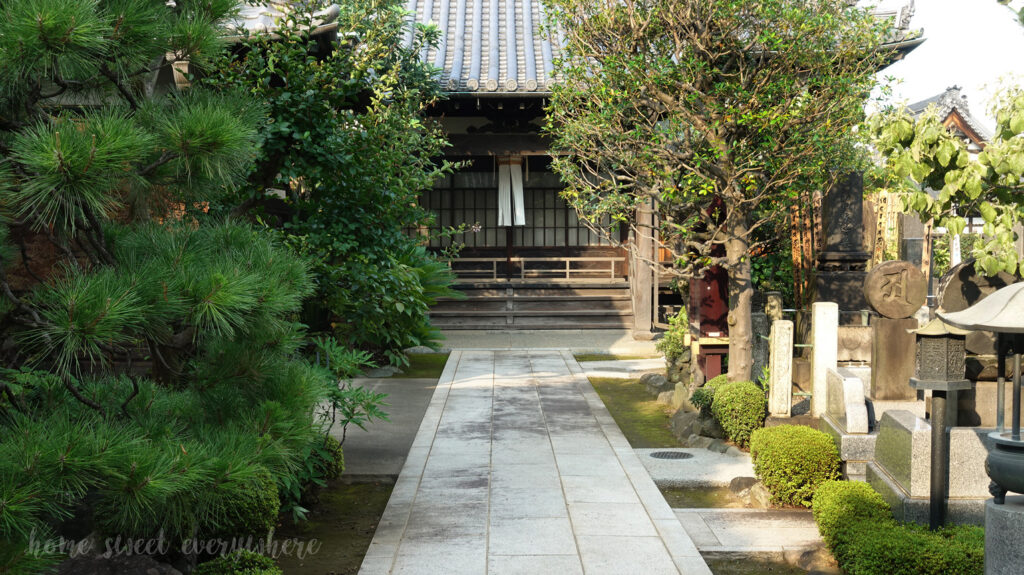
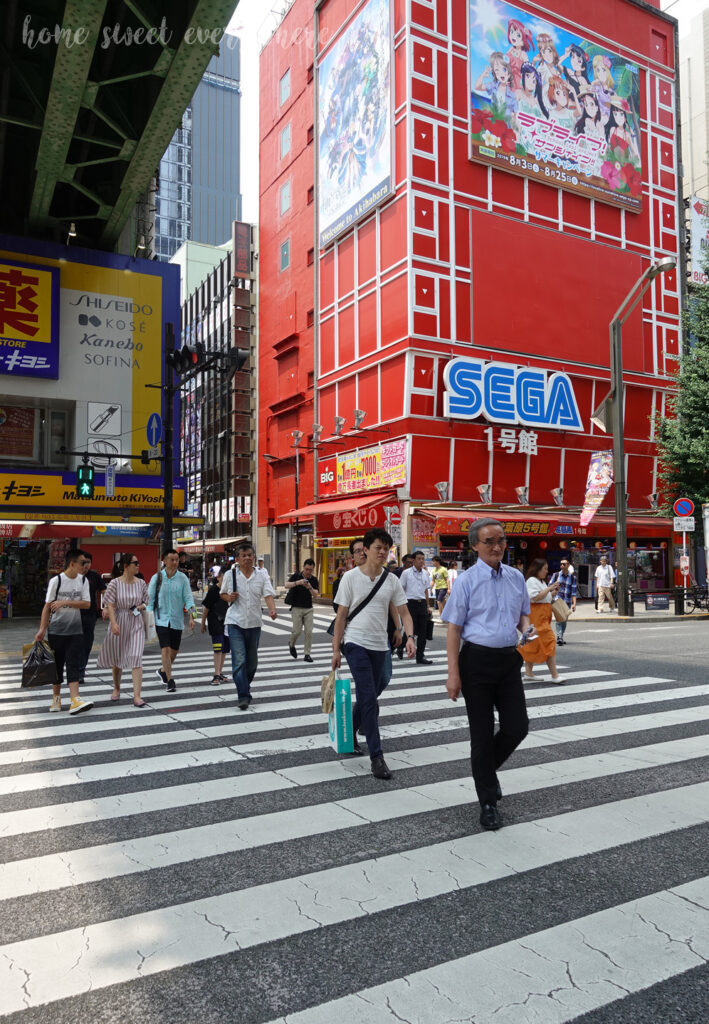
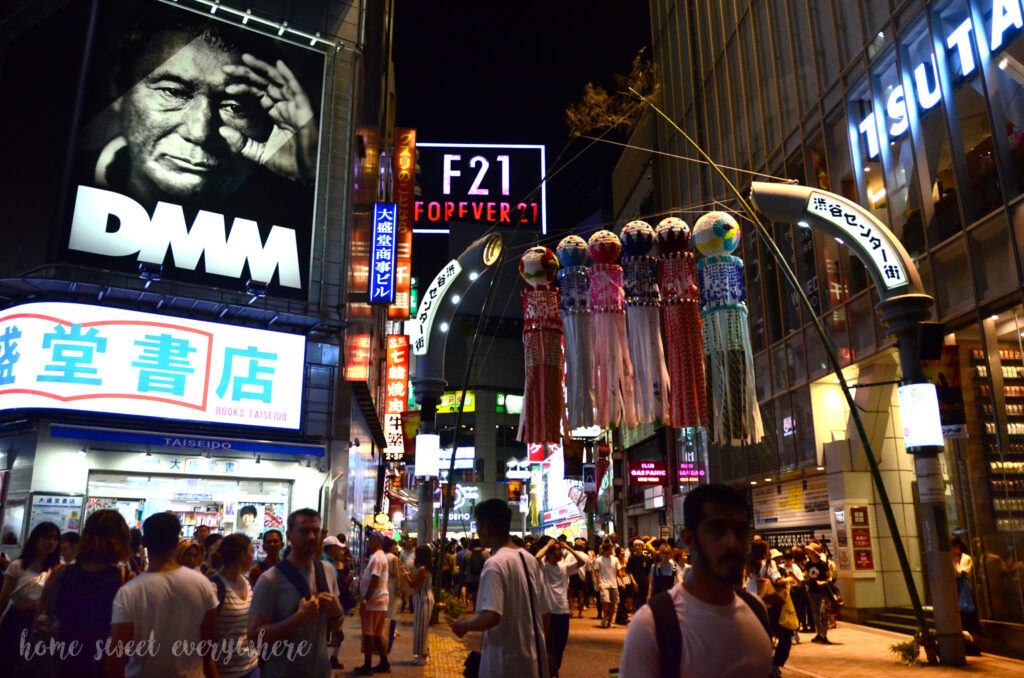
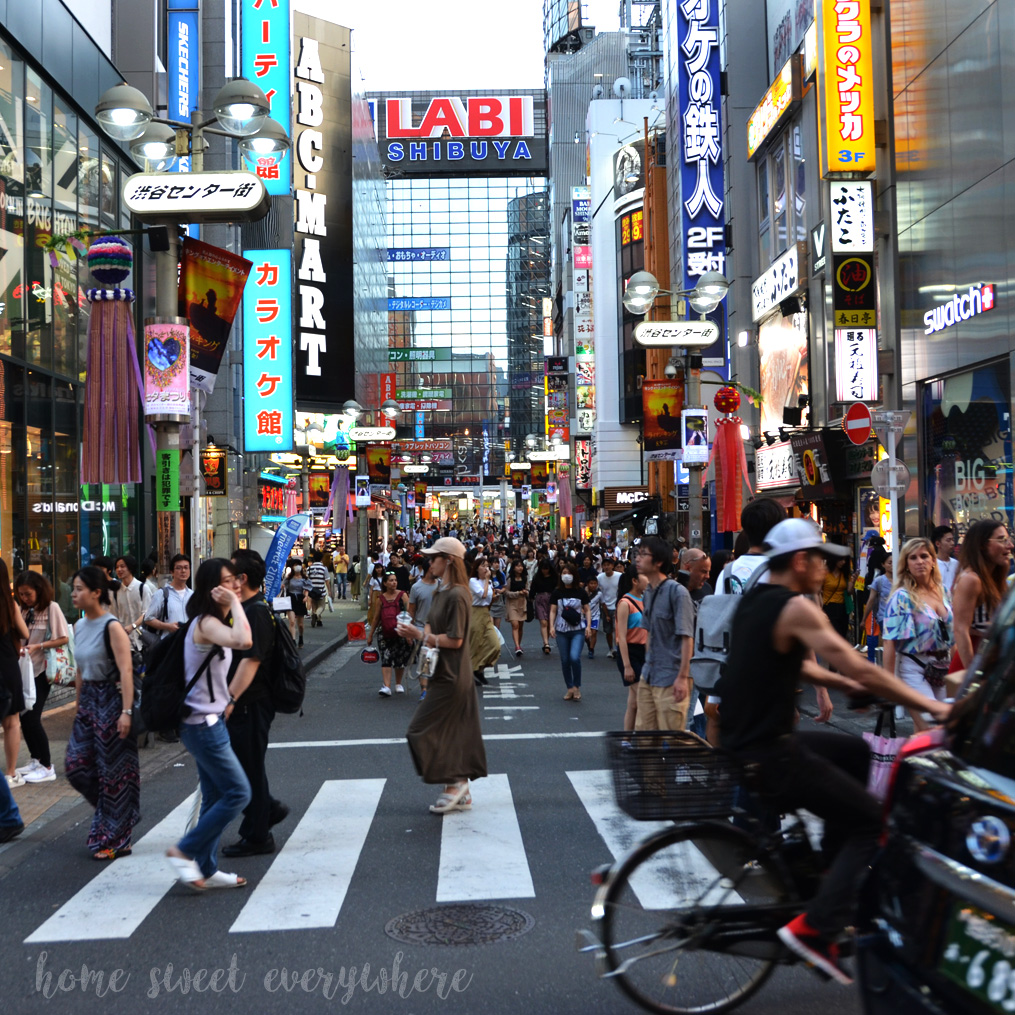
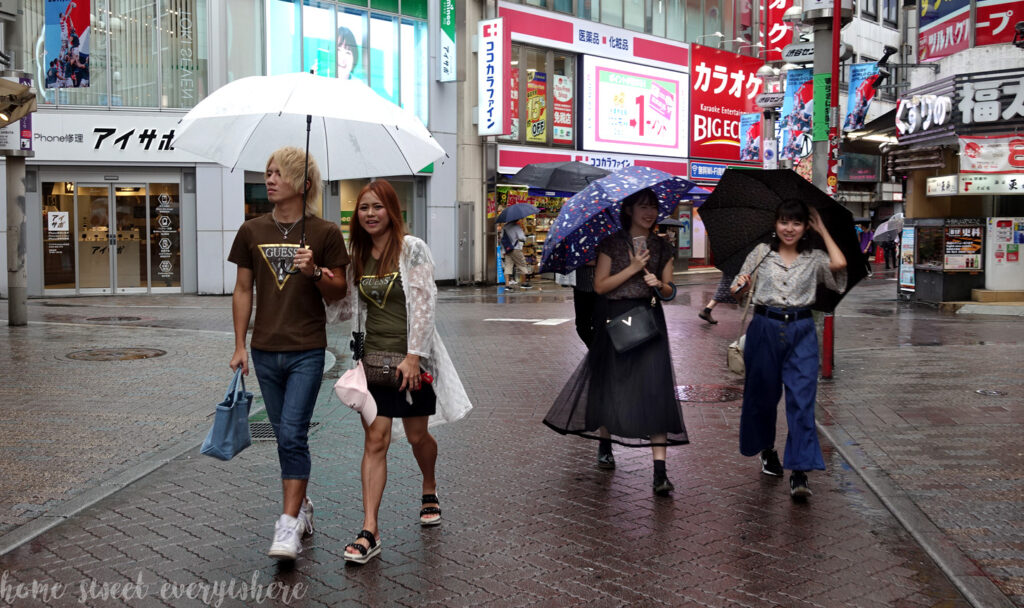
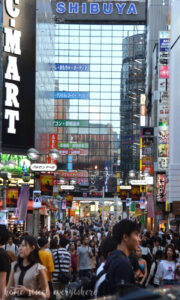
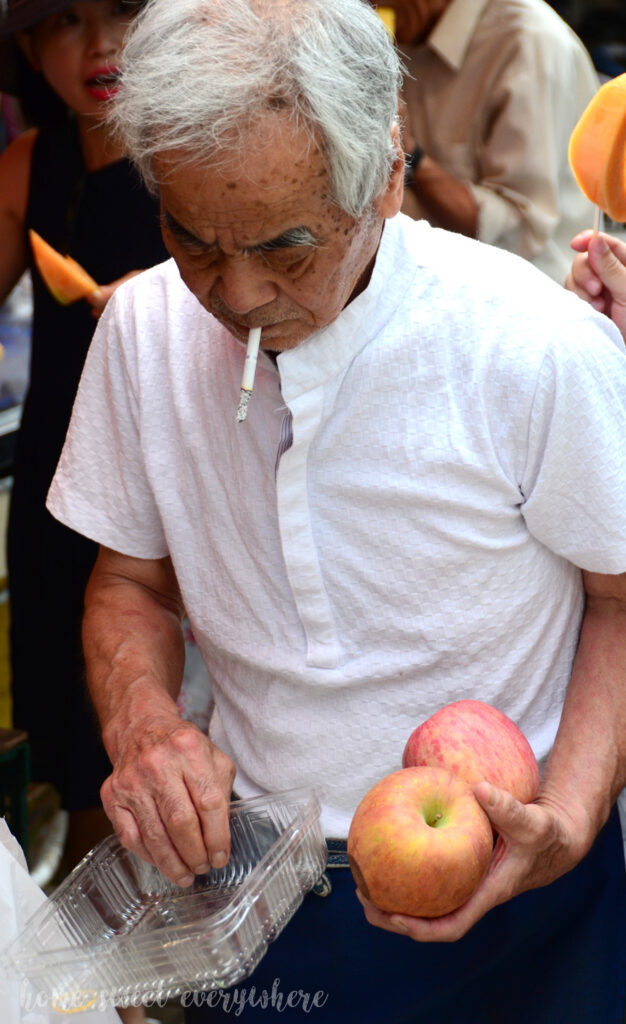
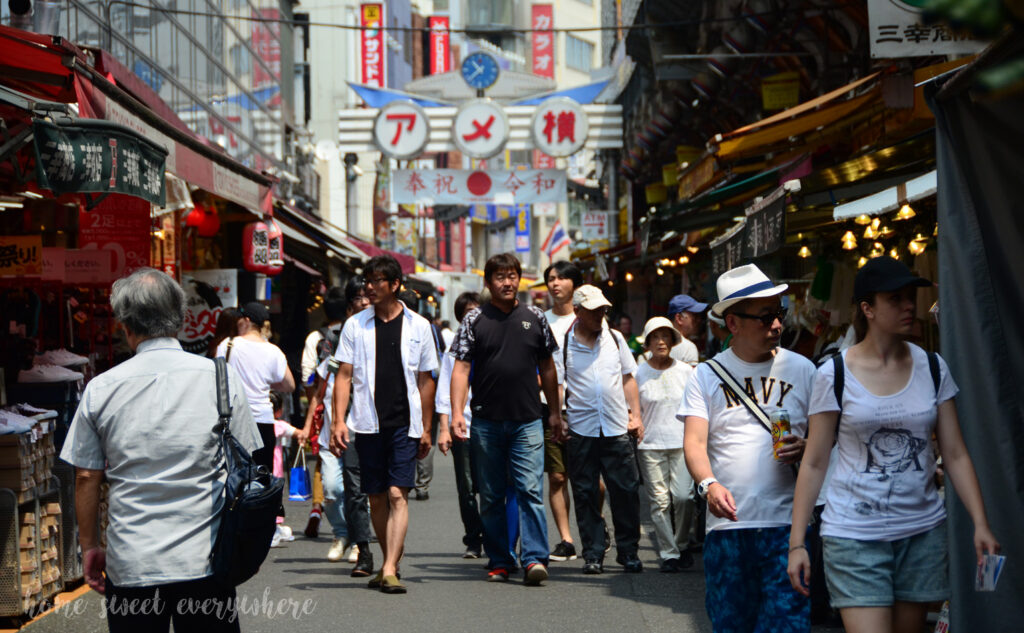
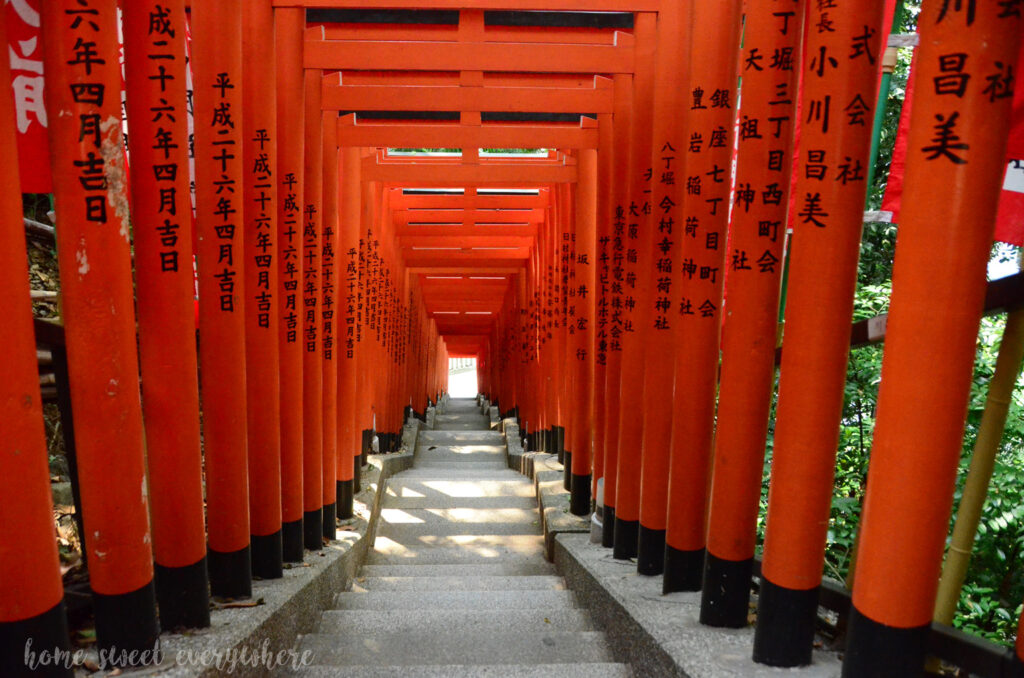
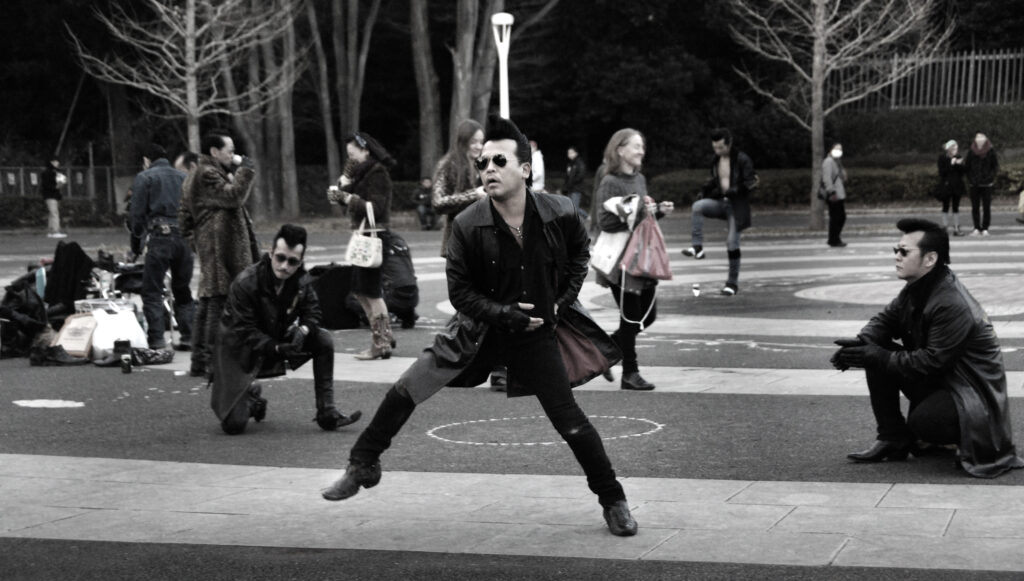
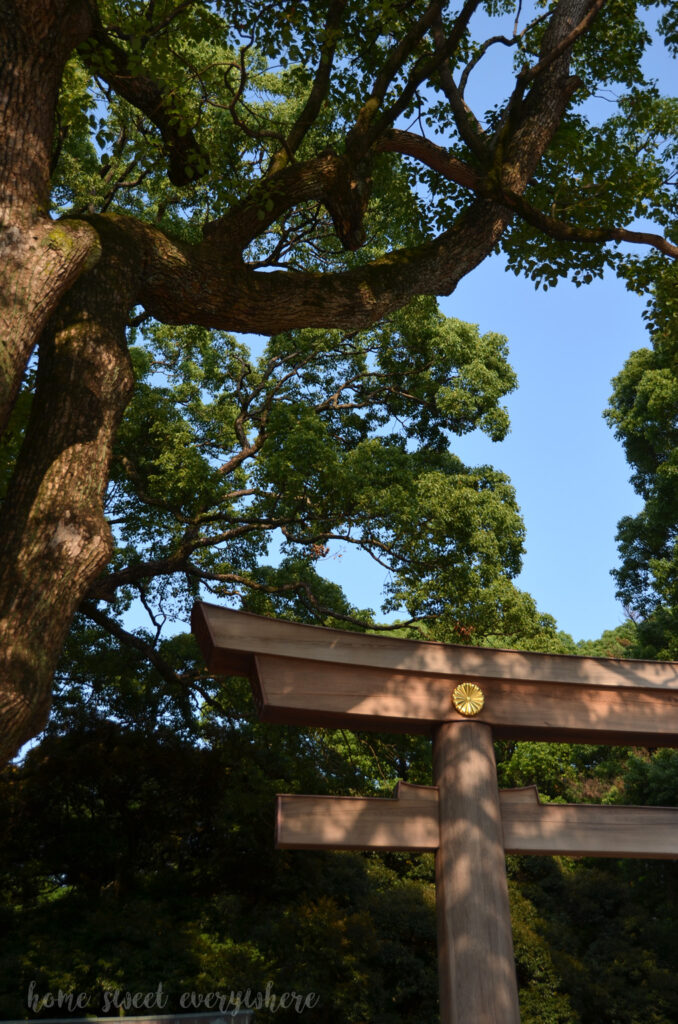
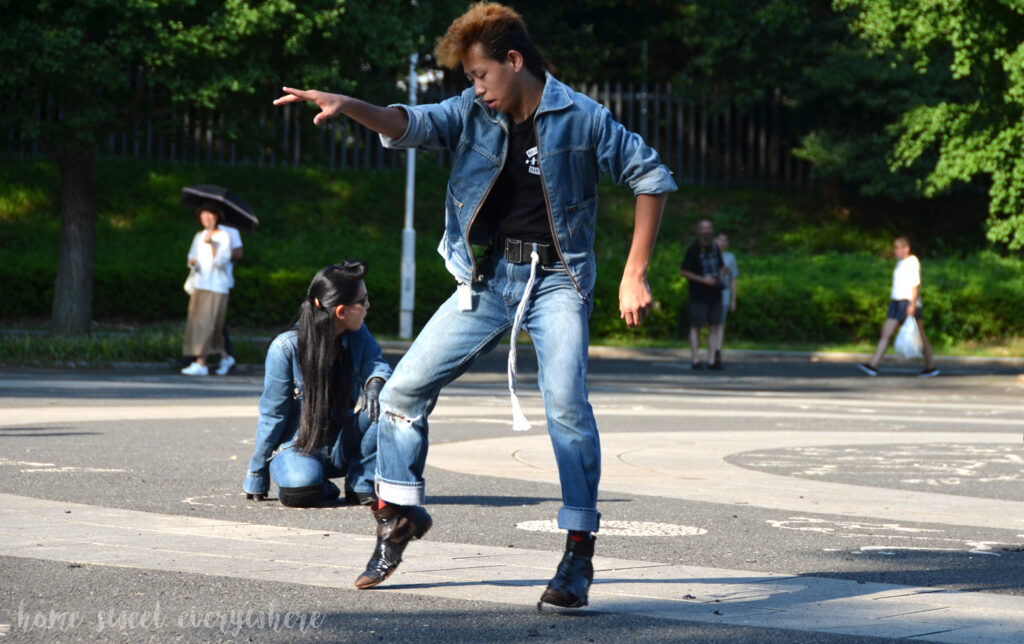
Of course, I start my exploring in the usual places, the hubs around the major stations of the city. In Akihabara I start at Yodobashi Camera, and play on the taiko drums at the Sega Arcade; at Ameyoko Market, I watch as the vendors clean and set up shop, eat breakfast, and then try to find solace at Ueno Park; one day after walking around the Tokyo Imperial Palace, I keep wandering and find Nogi-Jinja Shrine – there are lots of stairs but I’ve found myself at the top, walking down, and the torii gates provide some shade; in Roppongi and Ginza I look for unique coffee shops and watch business people briskly walk with their suitcases; in Shibuya I meander through the busy streets and check out the latest fashion trends. I also spend some time in Shinjuku, and on a weekend, I make time for Harajuku, Yoyogi Park and the Meiji Jingu Shrine.