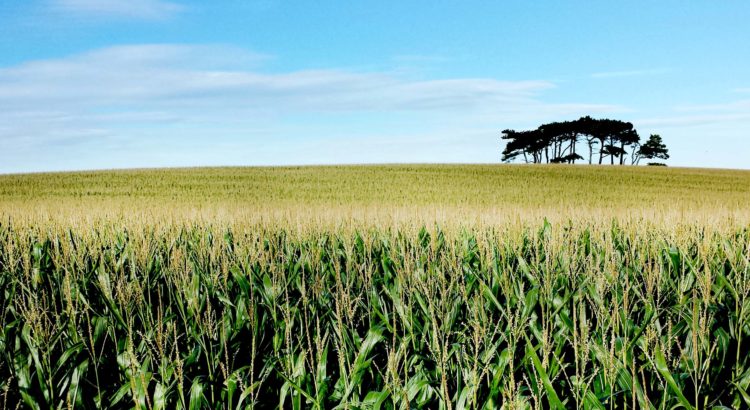
The thing I love most, and miss the most about the UK, are its public footpaths. I don’t know if this is true, but it seems to me that all parts of the United Kingdom (bar a few ferry rides) are connected by public footpaths. Paths that cross public and private land. Paths that traverse creeks, fields of corn, grazing grasses for sheep, cattle and horses. Paths that climb high and then descend into valley villages. Sometimes a path will actually cross someone’s back garden, lead to a gate that will take you out onto their front drive, the road, and then a stile where the path will continue through a field.
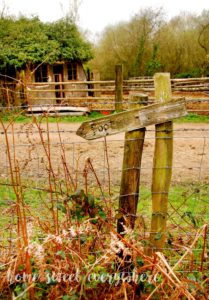
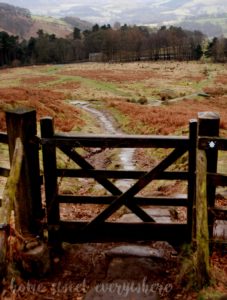
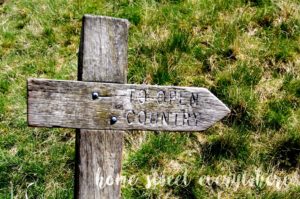
Walk along the paths, approach grazing cattle slowly so as not to startle them, and it won’t take any effort to imagine a time gone by when the only way to get from one village to another was to walk or ride a horse, a time where technology wasn’t abundant: it helps that you are likely to lose phone signal somewhere along your walk.
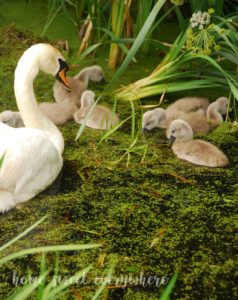
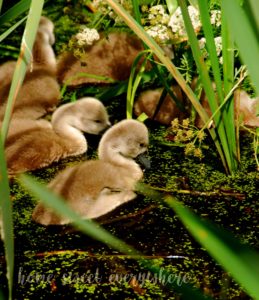
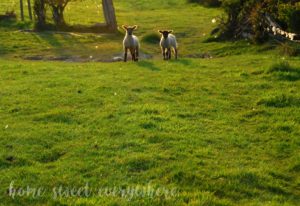
Seeing animals is another bonus of public footpaths. I’ve seen lambs being born, taking their first steps as their mothers clean them while nudging them (not so gently) to help the lambs stand on their wobbly feet before they fall and try again. I’ve watched cygnets grow into beautiful swans (there are walks I returned to regularly to see this transformation take place.) I’ve seen pheasants strut and show off their colourful feathers.
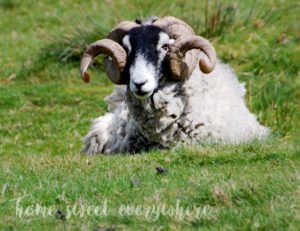
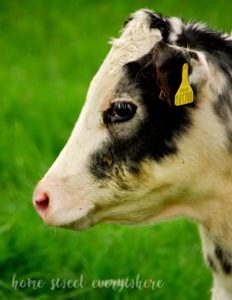
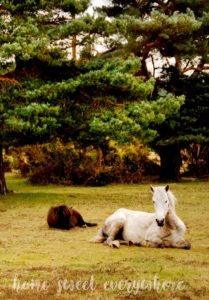
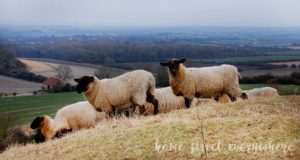
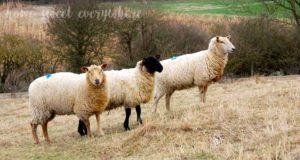
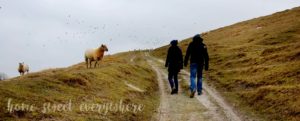
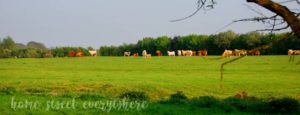
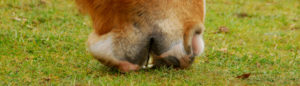
It’s good to know some animal etiquette, particularly when crossing fields of grazing cattle.
I was once crossing a field, the cows far off, huddling under some trees. Safe, I thought. Suddenly, the earth started to thud. I turned to see a mob of cattle running towards me and in a sudden panic I started to run away. There was a bridge not too far off that would separate me from the running mob. I made it, my heart thumping. The cattle made a sudden stop, stared and then ran back. I stared in amazement and knew I shouldn’t have ran.
Running is not the sensible option, but these were early days of my venturing across fields along footpaths through working fields, and I had not yet taken the time to read about the proper way to cross a field with cattle. Had they overtaken me, I would have been crushed. Note: cattle running at someone is rare – to me, it only happened this one time, and I haven’t heard of similar occurrences. Usually the cows will give you a bored stare and continue chewing on the grass.
The paths are always open. They don’t close for inclement weather days: there was once a snow day and school was cancelled, yet my day did not involve sitting at home by the warm fire – I was out treading through the fresh carpet of snow, along a public footpath, looking for footprints of rabbits and other animals that had come out to see the white stuff that so rarely appears in southern England.
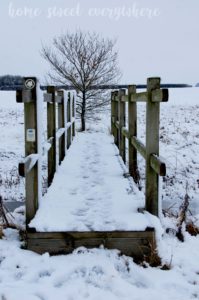
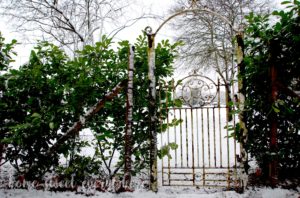
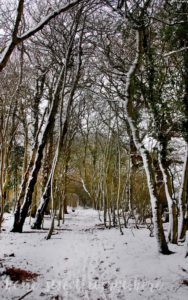
The paths don’t have opening and closing hours, which means that if you are eager to catch the morning sun’s rays as they hit the frosted grasses, you can. Rain or shine, you can be out there, enjoying the ordered countryside, though there are plenty of places where nature wins against man’s need to organize, and you find yourself in the wild, surrounded by stinging nettles that are as tall as you, the path difficult to find.
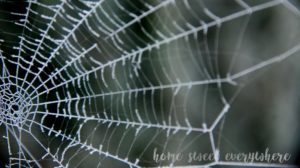
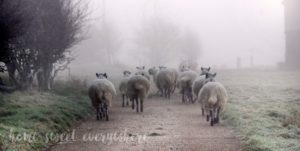
Paths are carved through the Lake District, up the Peak District, across the New Forest, along the Cornish coast, through Scotland’s highlands, over Wales, and meander from village to village…to everywhere.
It’s best to buy a ordnance survey map of the area to explore, but it’s much more fun to go out with a good sense of direction and a vague idea of where villages lie and attempt to explore your way to some end point which is usually a pub.
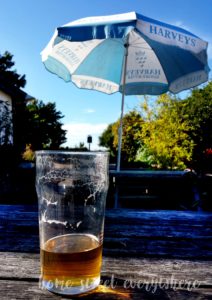
At the end of a rainbow you may find a pot of gold; at the end of a public footpath, and likely along the way, you will certainly find a country pub. It’s a sure thing. In the winter, many of them have real log fireplaces that long to warm hikers and kill the chill in their bones.
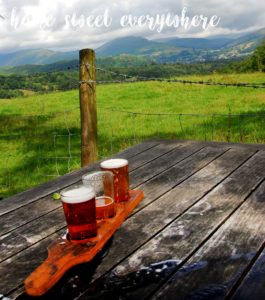
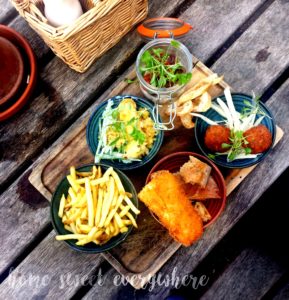
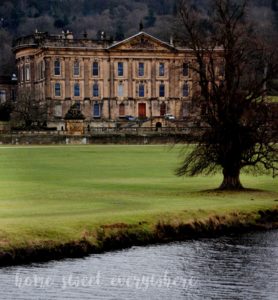
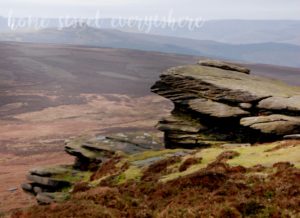
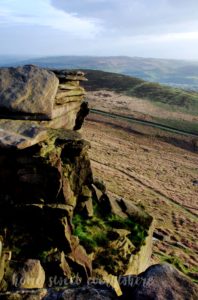
Footpaths will take you to places like Chatsworth House, which was used to represent Pemberley House in the 2005 film version of Pride and Prejudice. Better yet, a footpath will take you up to Stanage Edge where you can stand on the edge and brace the wind like Kiera Knightly does in the film. If you go in February you’ll have a grand time sliding along frozen puddles and bracing a pretty chill wind, but the views are stunning and, as I mentioned above, there’s a pub at the end of the walk where delicious pub fare will wear down the chill.
One of my favourite walks is in Wales, near Brecon Beacons National Park.
One sunny day we drove and drove through an uphill, narrow, and windy road to arrive at our abode for the night. Two elderly ladies, our hosts, greeted us with hot mugs of tea, and a hand-drawn map for a walk that led from the house. This abode, by the way, was an old, impressive cottage, made of sturdy stone. It’s walls were thick. Inside it was musty, damp and drafty. It was a hiker’s hostel, though only occupied by hosts when hikers made an advance booking. We were told that a group of hikers would soon be joining us.
It was late afternoon by the time we set out for the walk, map in hand. Time allotted – 1.5 hours. Plenty of time to get back before we made our supper and went to bed happy.
This is a far-off place, and the cottage wasn’t frequented often, so the path leading from the house wasn’t well worn. It was difficult to follow the trail, and the hand-drawn map wasn’t always very useful – there were little drawings of trees on it, not at all to scale. Still, we adventured on, spirits high. We were in Wales, in the middle of nowhere, with fresh air and good company.
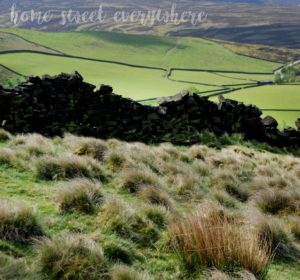
And wet, wet ground that covered the footpath. Finding ourselves in a soggy field, we hopped from grass clump to grass clump. Affectionately, we called these grass clumps trolls and thanked them for being kind enough to let us hop from head to head. Their hair made for a soft landing, though I didn’t always manage to make it, my foot splashing into the marshland. Soon, both my feet were full of puddles. 7 years later, we still mention the troll heads affectionately. Without them, we’d have turned around and the adventure would have been over.
We crossed some stiles. Made a few turns. Stopped often to deliberate about the direction we should go next, trying to decipher the drawings of trees and fences on the map. We gazed at the setting sun and the earth, illuminated in a golden yellow.
Night came, quickly. We had no flashlights – we didn’t anticipate to be out past sunset. This is a dark place, darker when there is only a slither of a new moon in the sky. We’d lost phone reception.
What else is there to do, but forge on? We’d come too far to turn around, besides, it would have been just as impossible to trace our way back, as to find our way forwards.
The sound of a barking dog led us to a road, which ended up being the place we needed to be. The road led us back to the cottage. We had a grand time, our legs aching from the nearly 3 hours we had been on our feet, finding our way home.
Coming closer, we saw flashlights. Our two hosts had been flashing lights, worrying about us, hoping to see specks of three hikers out in the distance. For a moment they became our adopted grandmothers, bustling around in the kitchen to make us hot mugs of tea. There was no kitchen in this cottage – the kitchen was a camping stove. There was also an outhouse for a bathroom to which I was too afraid to walk to at night because this was the quietest, darkest place I have ever been at night. It was incredible. I don’t have any good photos of this walk – we were too busy exploring, and then it was too dark.
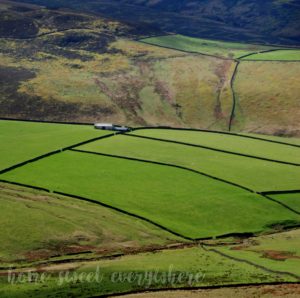
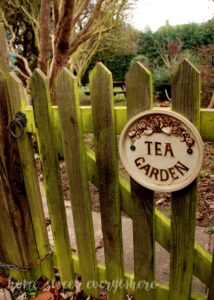
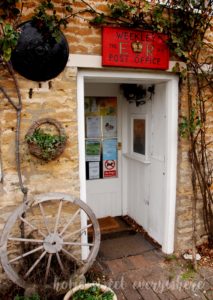
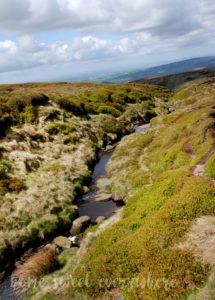
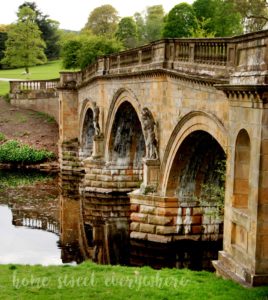
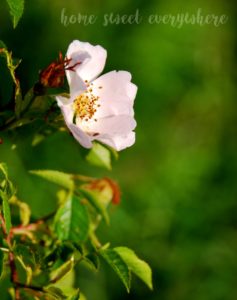
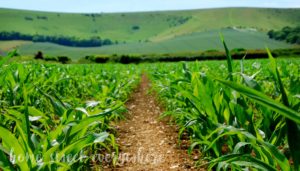
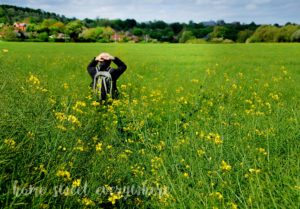
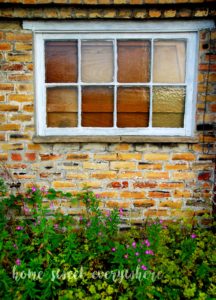
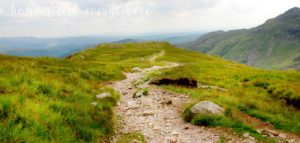
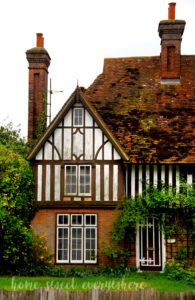
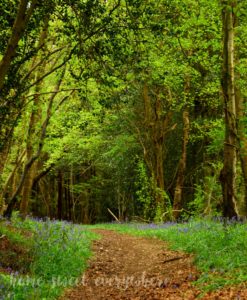
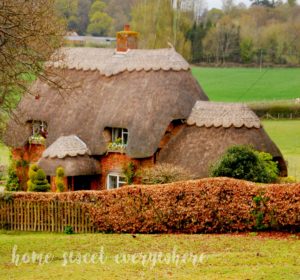
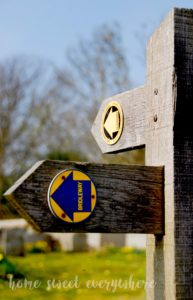
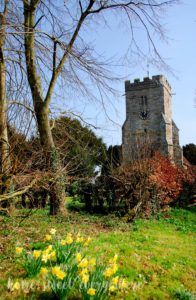
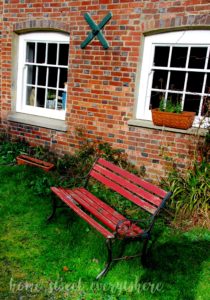
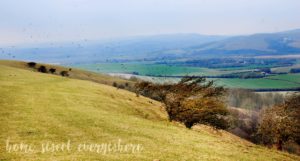
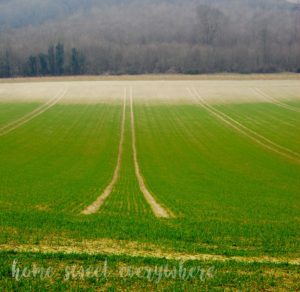
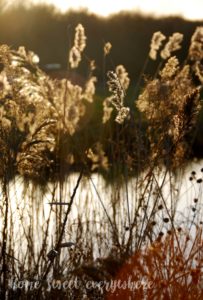
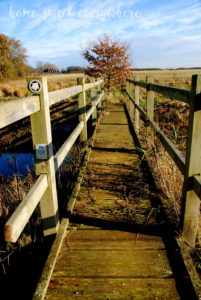
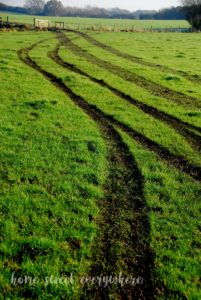
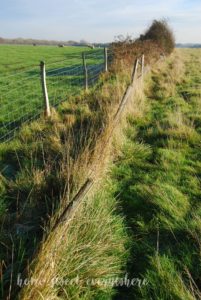
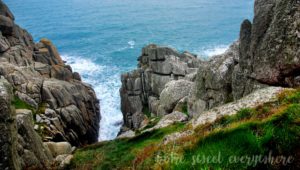
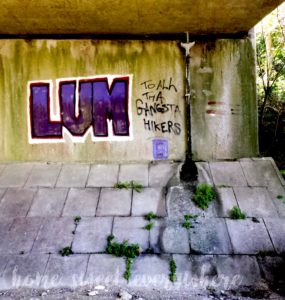
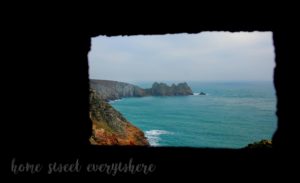
But here is a gallery of other photos that remind me of the wonders that can be seen along the public footpath:
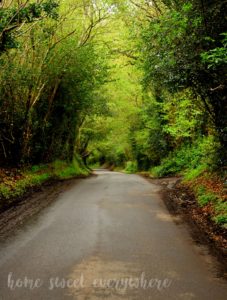
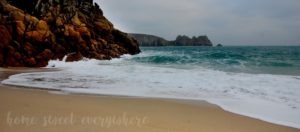
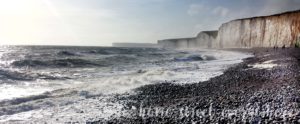
Public footpaths are incredible. You don’t need to be an experienced hiker or have fancy walking shoes, though sturdy shoes do help. Don’t let hand-drawn maps and soggy ground dissuade you. Do, however, bring snacks, water, water-proof shoes unless you don’t mind wet feet, and a phone that has a working flashlight (just in case, and especially when you’ve got a hand-drawn map, you’re in the middle of nowhere and are starting your walk in the late afternoon.) A whistle might help, too…maybe…if you’re lucky enough for anyone but sheep to hear it. Good company and a sense of adventure is a must.
Hi Jean! I think I fixed it. You shouldn’t be called a loser, anymore 🙂