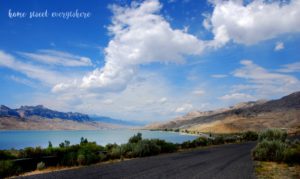
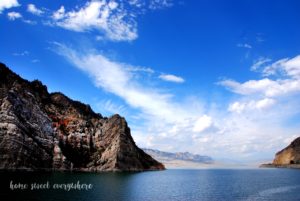
I leave Yellowstone through its East Entrance and the highway which changes names 4 times along the route, takes me along the North Fold Shoshone River, by the Buffalo Bill Reservoir and straight into Cody, Wyoming. Apparently Buffalo Bill, who started the town of Wyoming, made it so on purpose – he built the town to be a tourist stop for people who were driving to or from Yellowstone. He trapped me, but I thank his foresight – Cody is a wonderful place to stop.
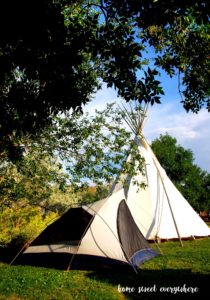
I camp at Ponderson Campground, right in the town, and when I tell my host that I’d like to stay for one night, he looks at me and declares that I’ll be back tomorrow to pay for another. I laugh, but I do come back the next morning to extend my stay. For a small place, there’s a lot to do and see here.
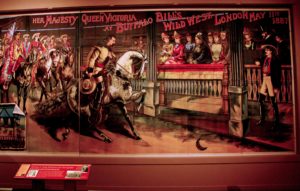
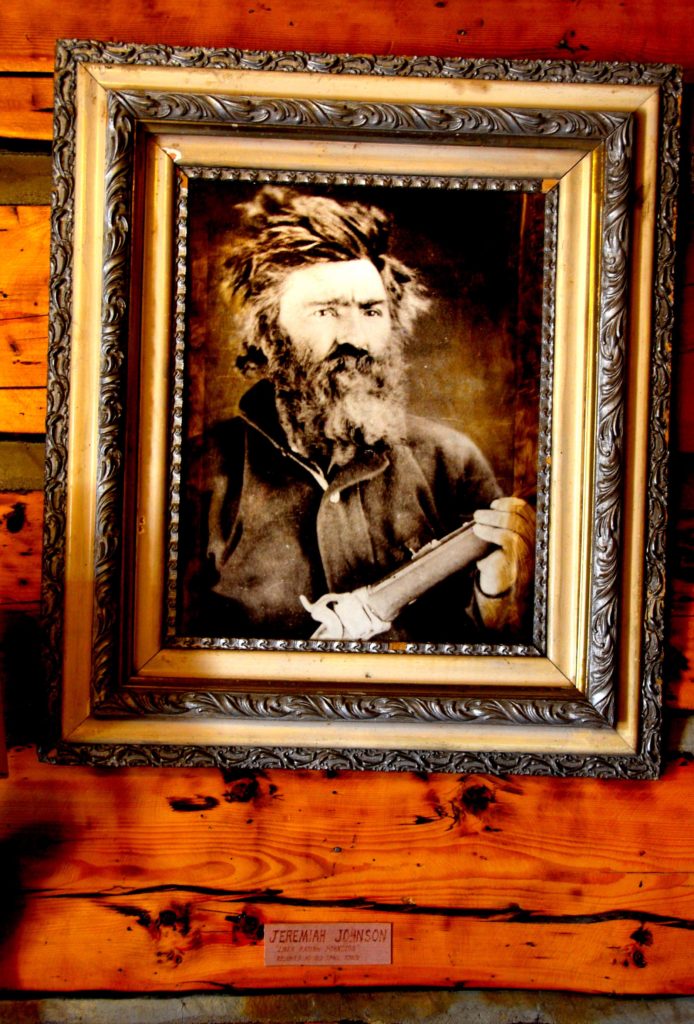
To learn about the town and find out about the places I should explore, I hop on a Trolley tour whose slogan is, “Give us one hour and we’ll give you one hundred years” of history. My hosts are Rose (who drives the trolley) and Bridget (who delivers most of the monologue) – their act is incredibly well co-ordinated and funny. We ride through the town, learning about it’s history through pictures, anecdotes, audio clips and we are constantly being directed to look out of this or that window. The Sears catalogue houses are pointed out to us, as are the historical buildings. We’re told that Buffalo Bill started off as a scout. We’re told how he built his famous Wild West Show and even got to perform for Queen Victorica. We’re told about Buffalo Bill’s wish to be buried on Cedar Mountain, his death in Denver and the fight over where he should be buried… By the end of the tour I feel that I know the man better than I know myself. I admire his ambition, creativity and energy to turn his desires into reality. He was, it seems, living the dream.
The best thing about the trolley tour is Rose. She waves to all the locals along the trail – these big, friendly waves, her arm enthusiastically up and over her head while the other steers. I spot Rose driving the trolley later in the day and she waves to me too.
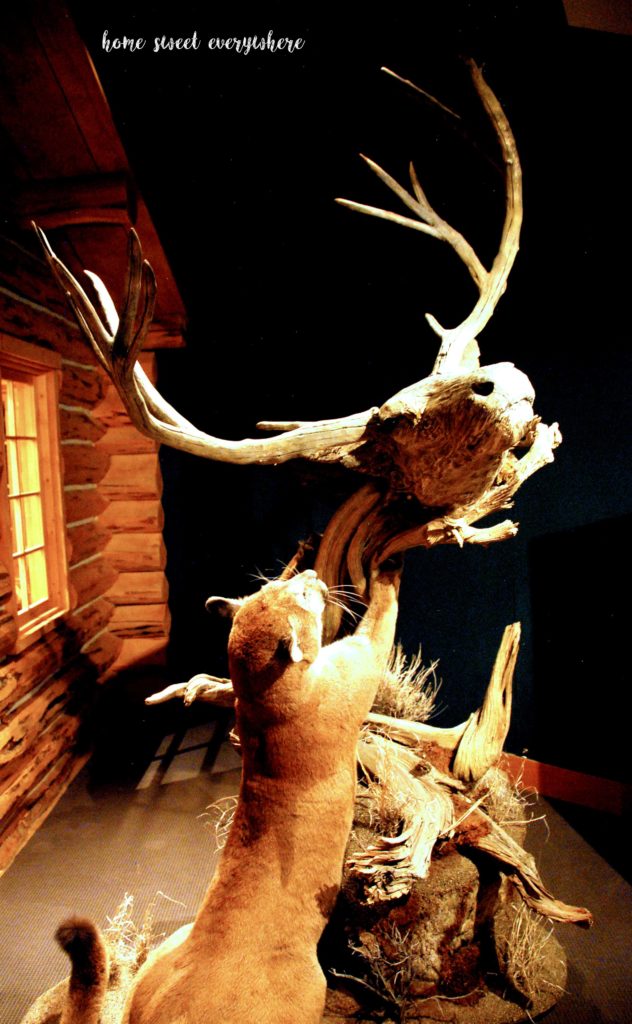
My next stop is the Buffalo Bill Centre of the West. My ticket is valid for two days because the museum is composed of 5 smaller museums – the Plains Indians, Buffalo Bill, Whitney Western Art, Cody Firearms and Draper Natural History.
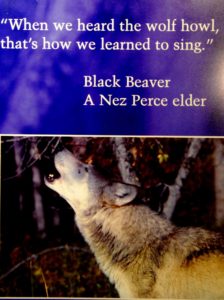
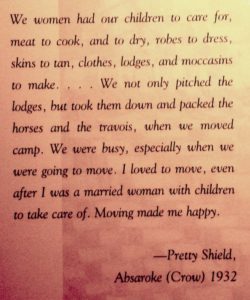
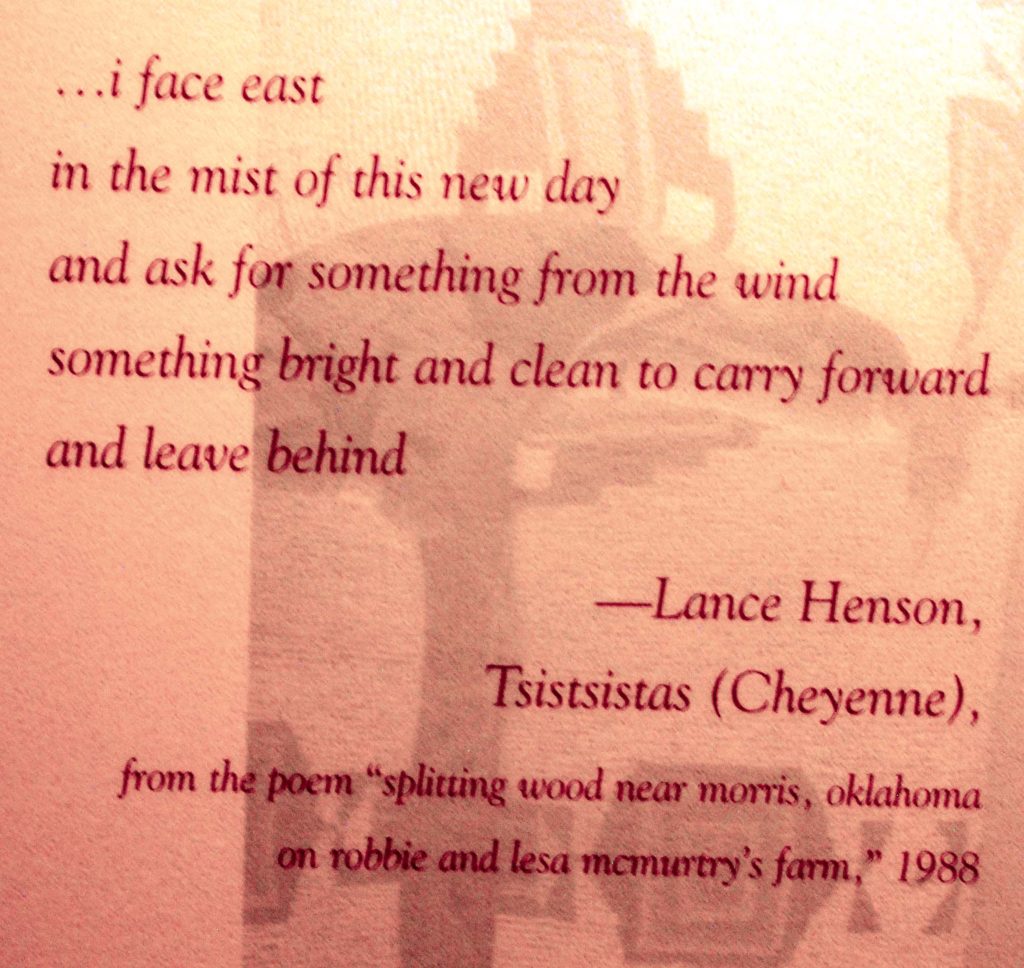
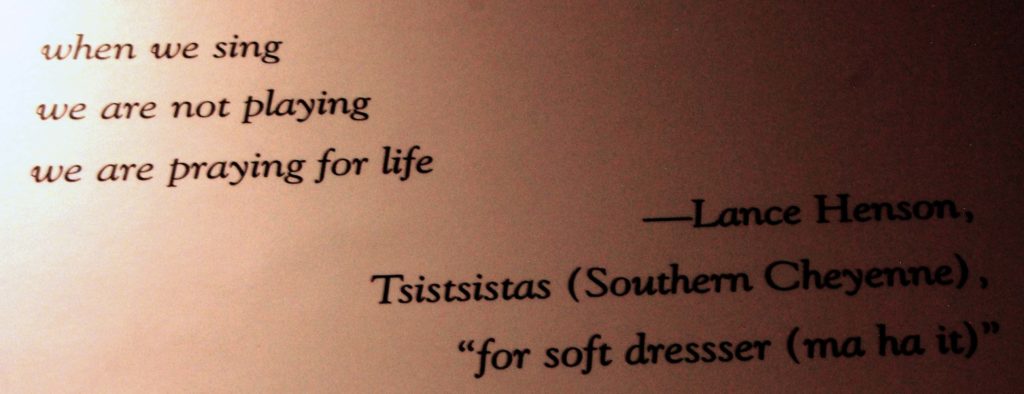
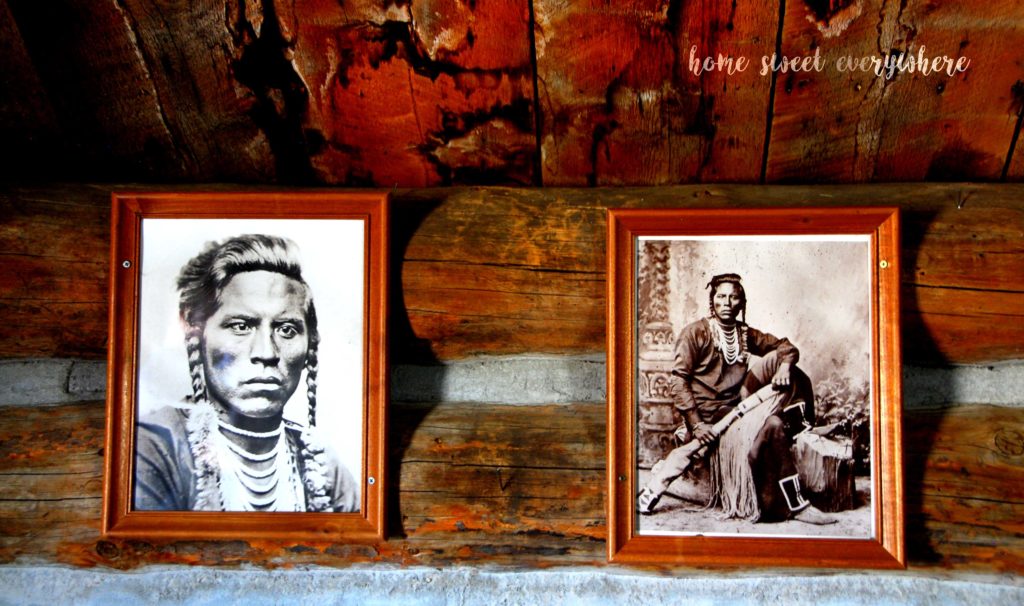
My favourite part of the museum is the Plains Indian section. I spend most of my time here. There are beautiful videos of Pow Wows, audio in which American Indians, in their slow, soothing voices, explain various spiritual events and reminisce about the way their grandmothers and foraged for herbs and made moccasins. The lighting, the photos, the artefacts and displays make it easy to imagine the kind of America that the Plains Indians lived in, and it makes me nostalgic for a time when people and earth lived together. I am keen to learn more about the Plains Indians, and be more mindful of Earth and its power to nurture my soul.
And I do come back for a second day to explore other parts of the museum.
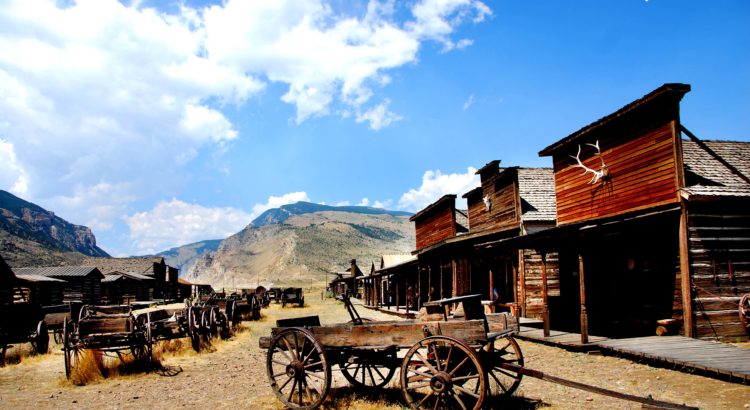
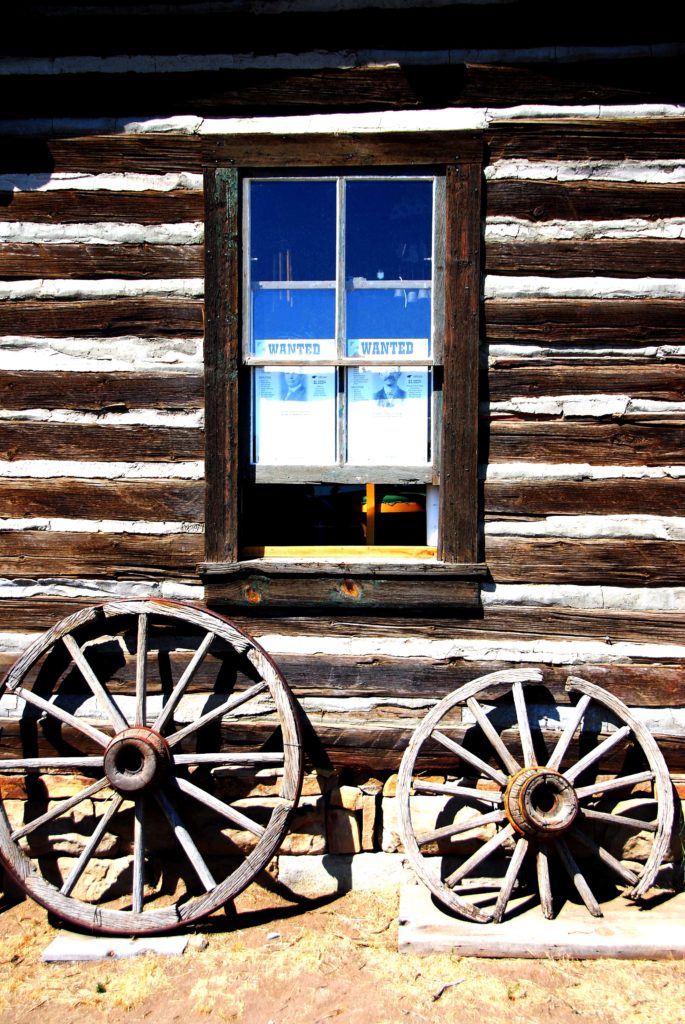
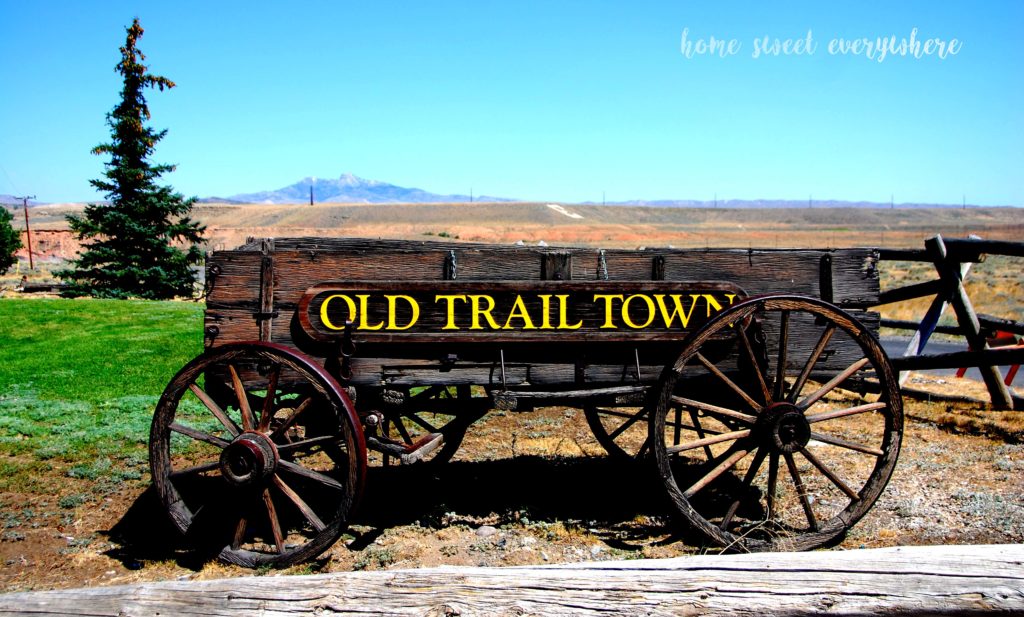
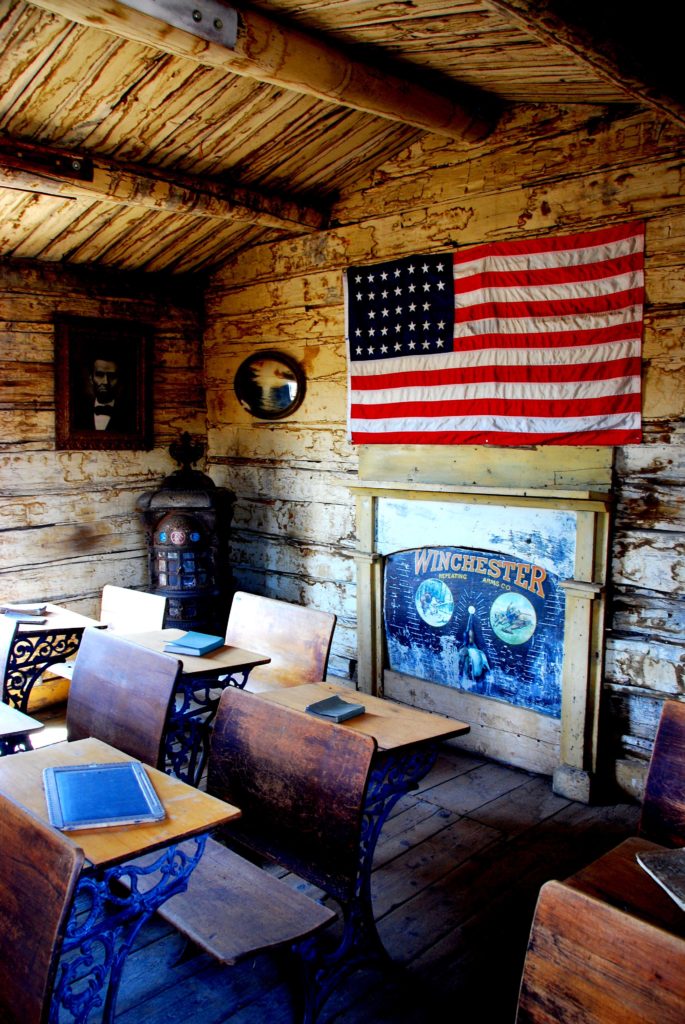
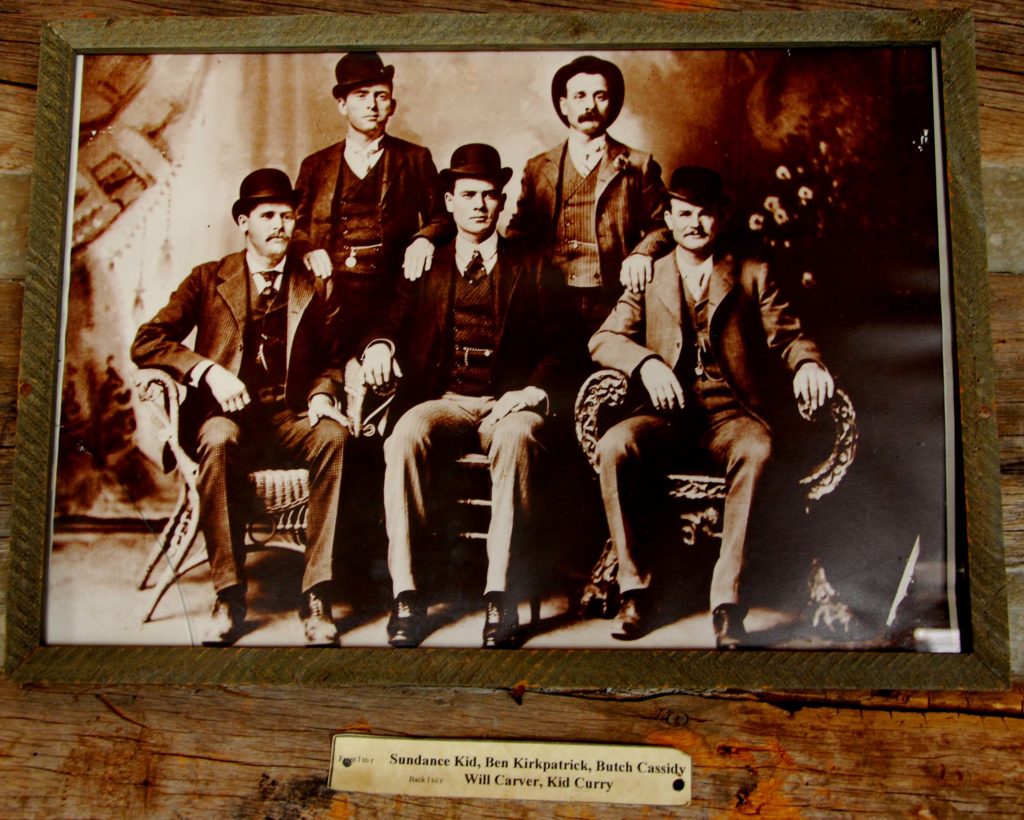
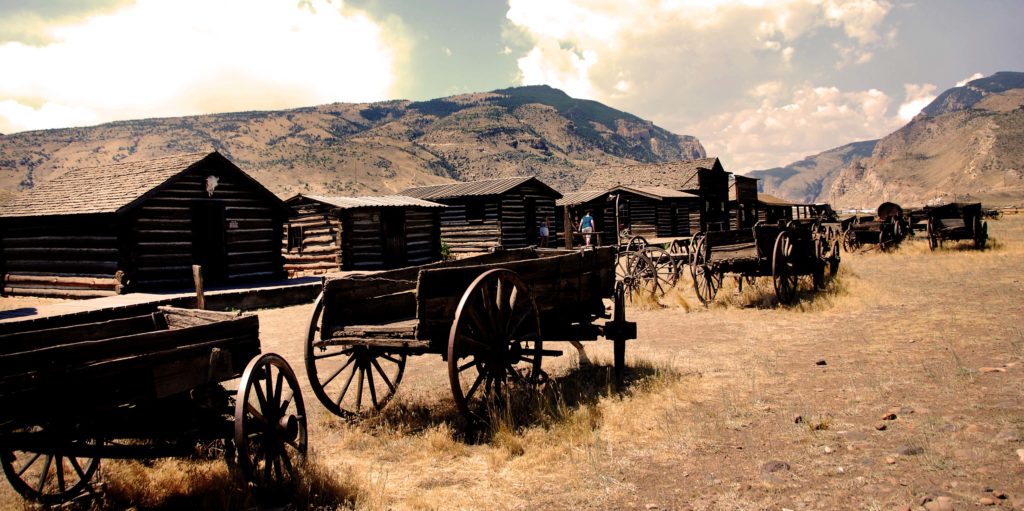
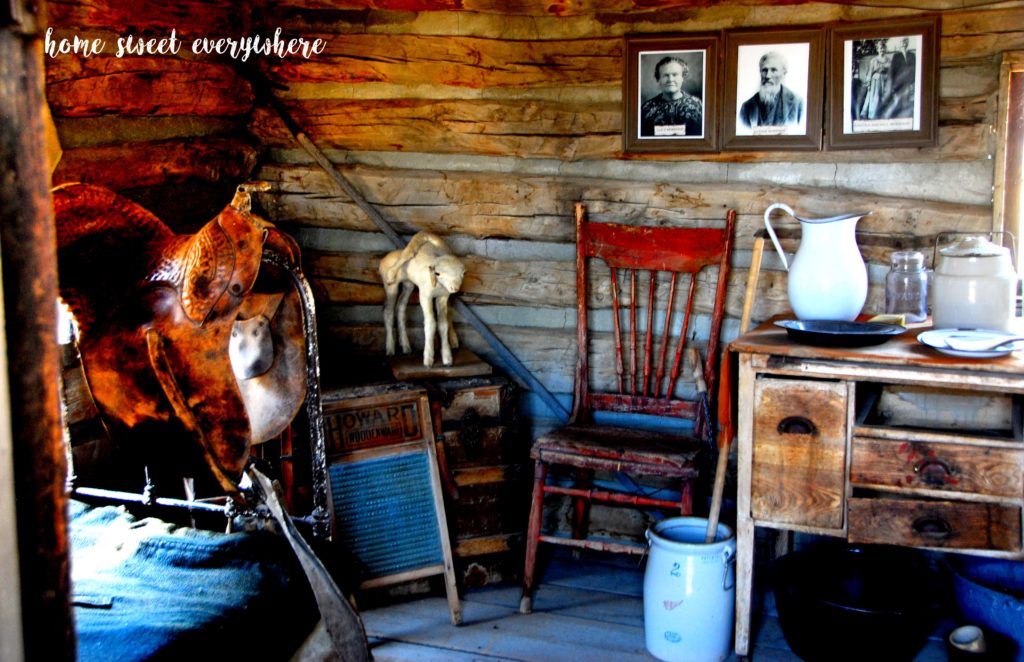
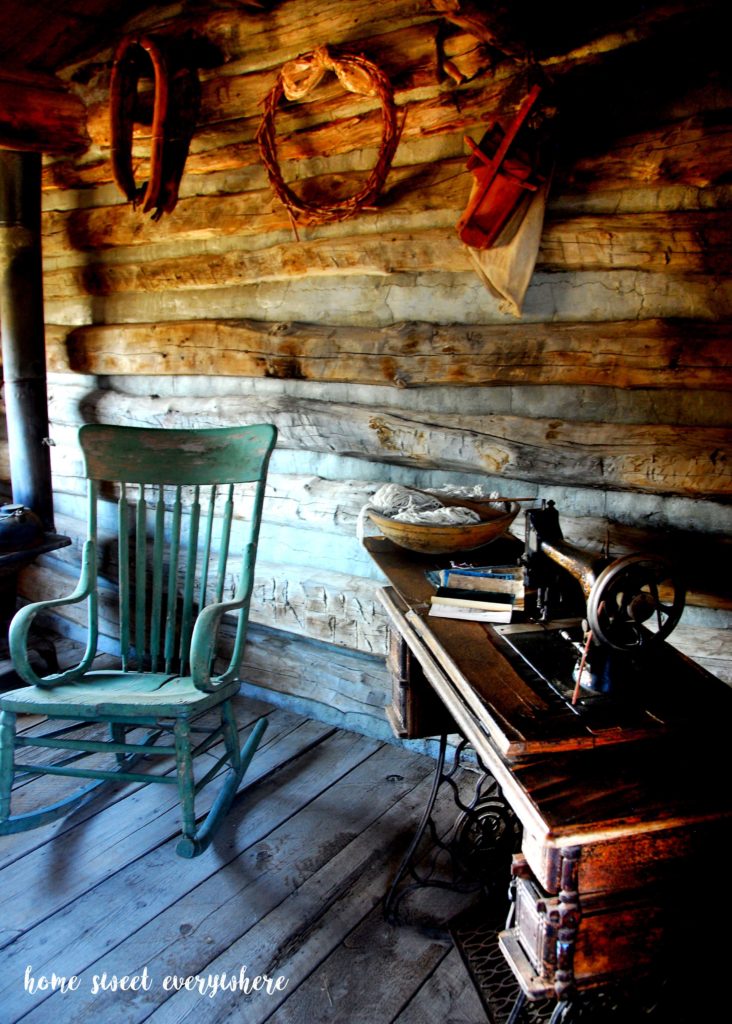
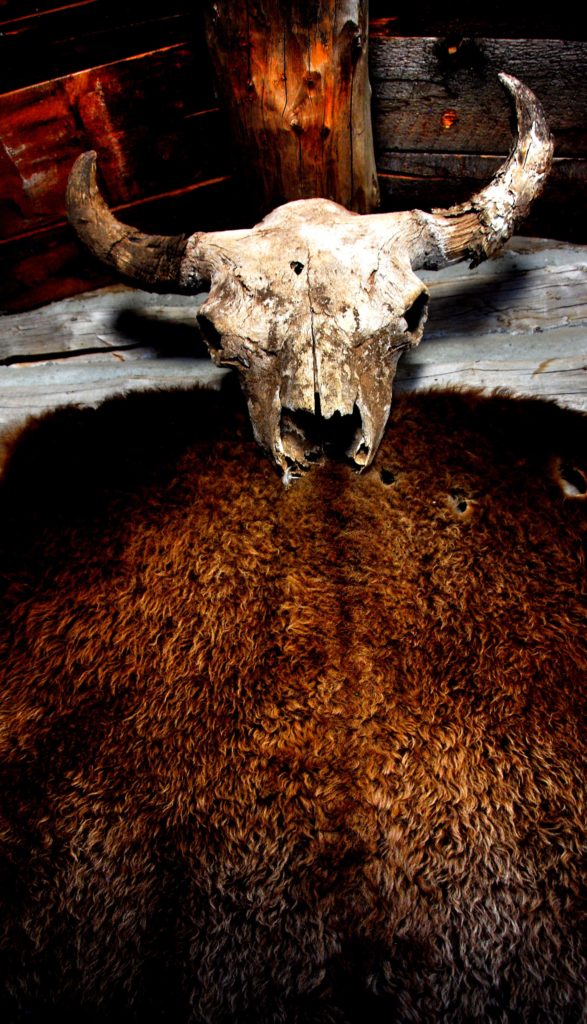
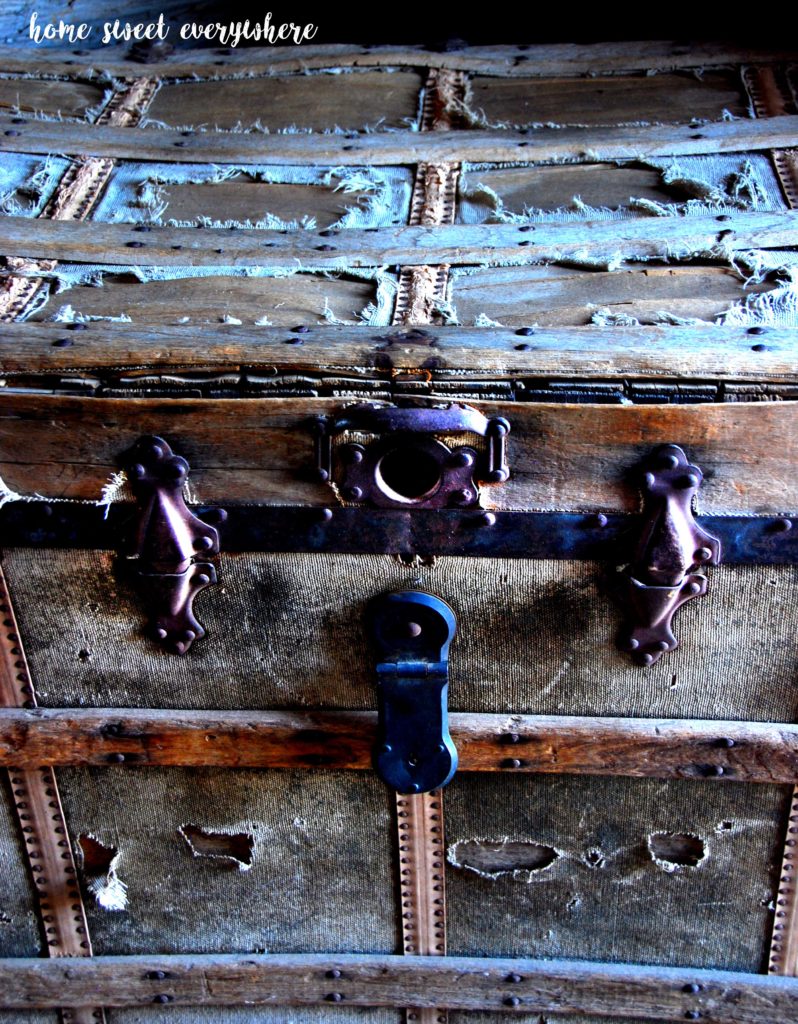
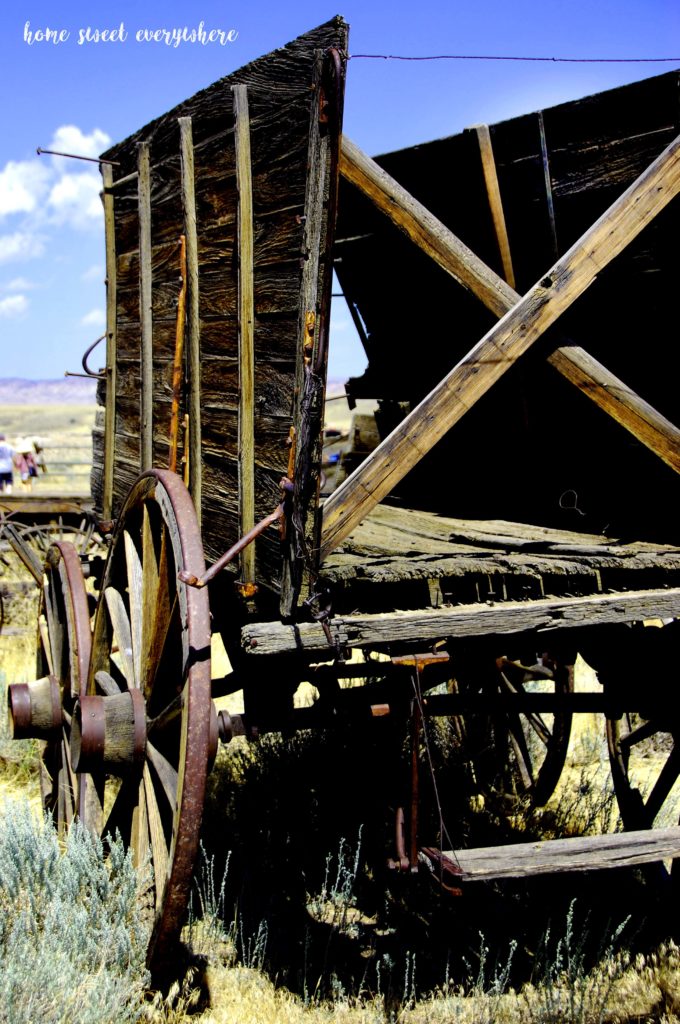
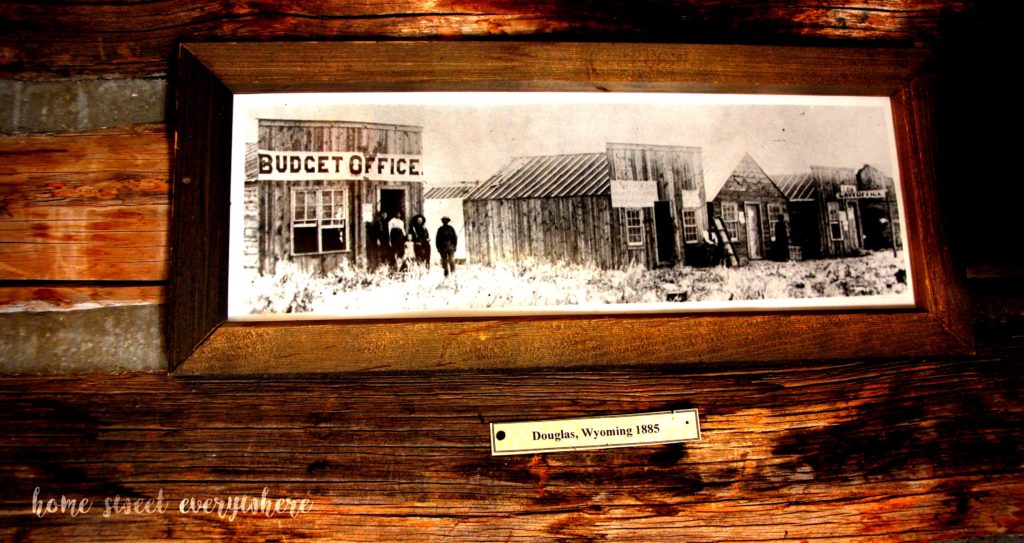
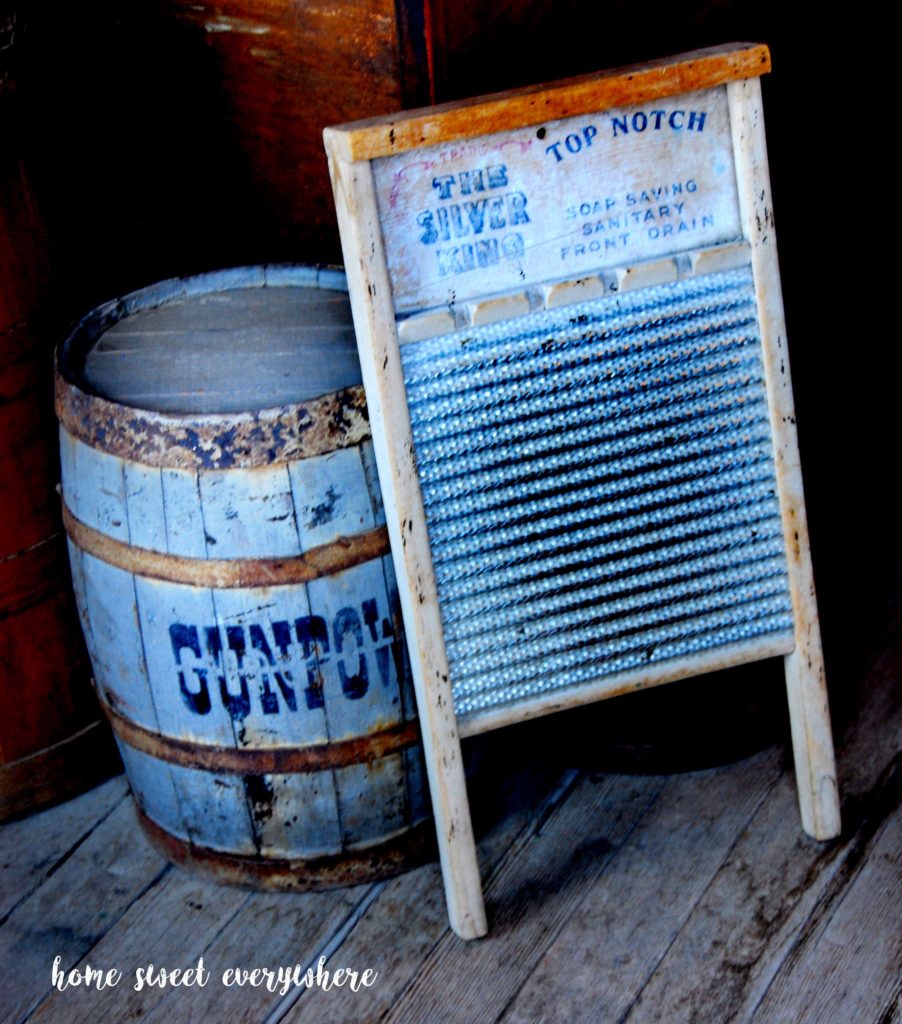
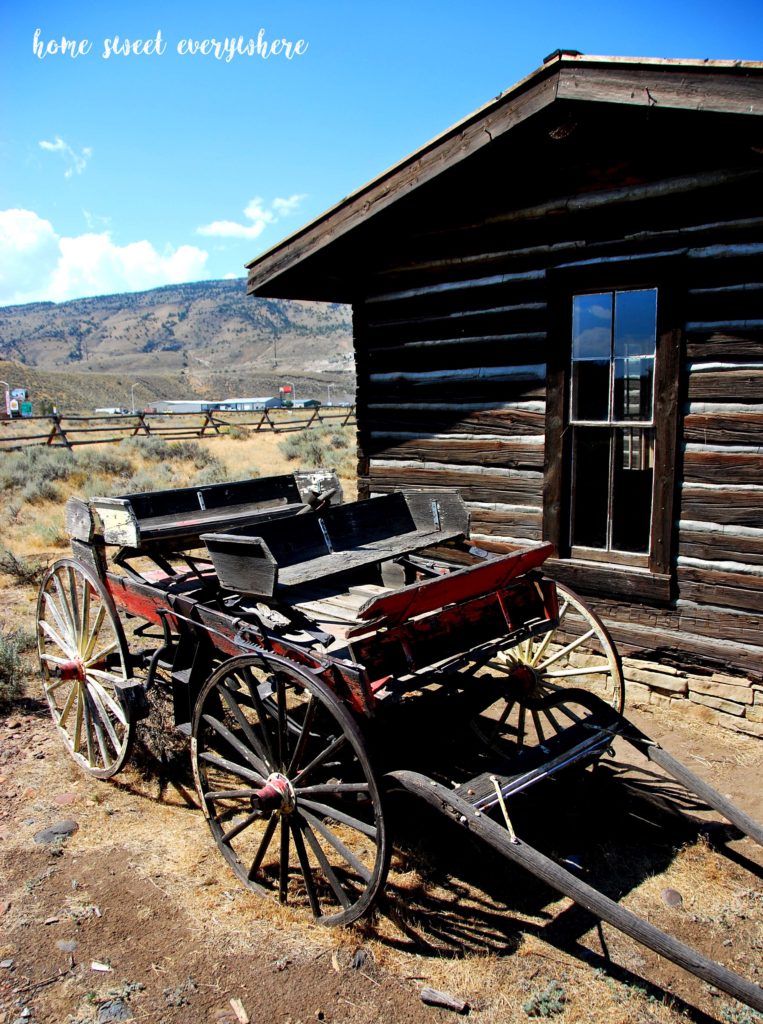
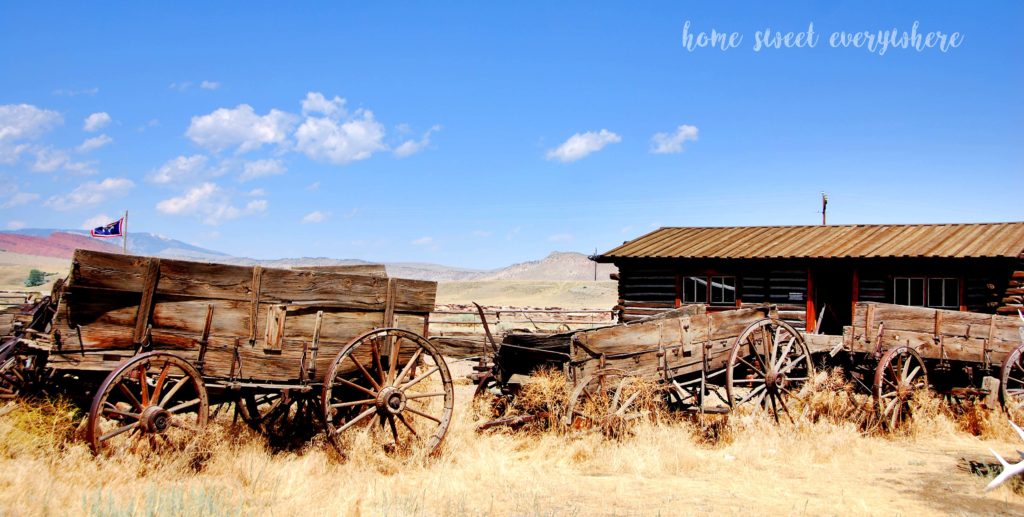
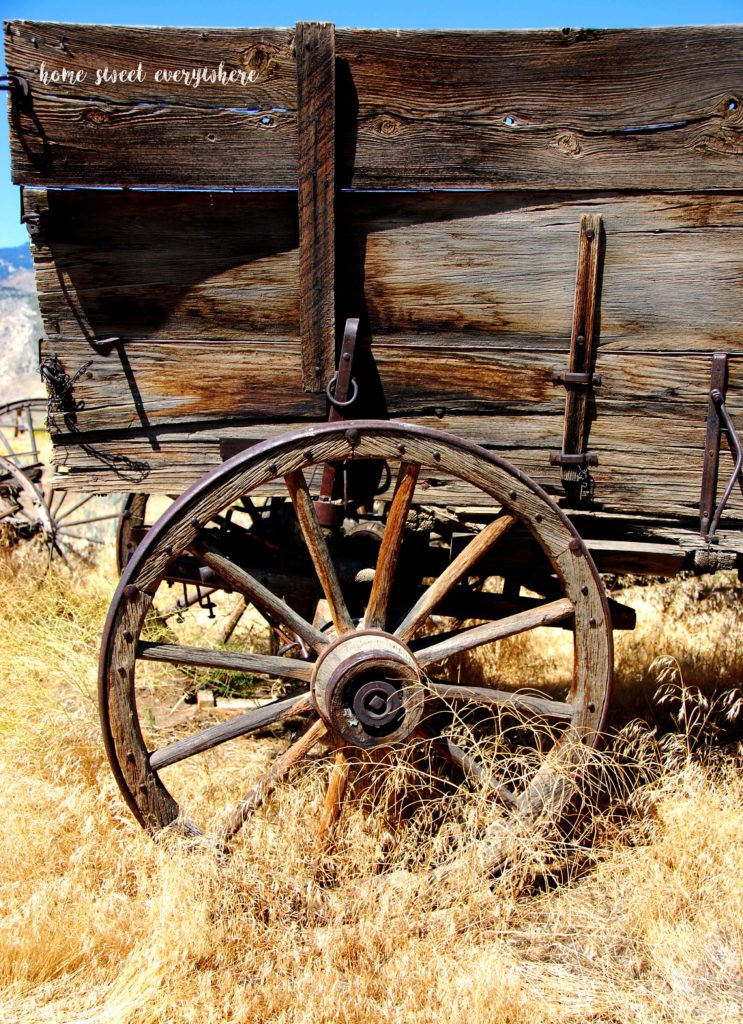
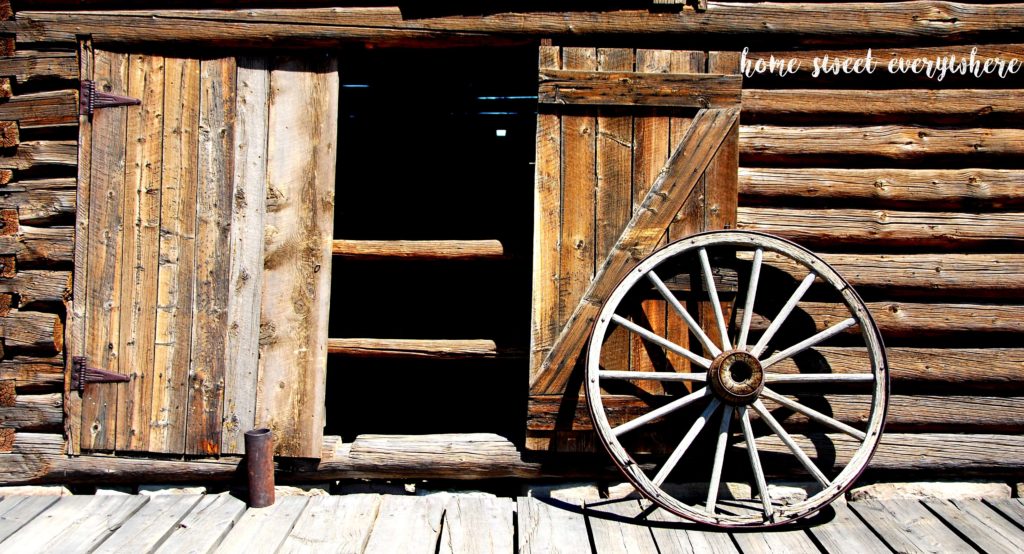
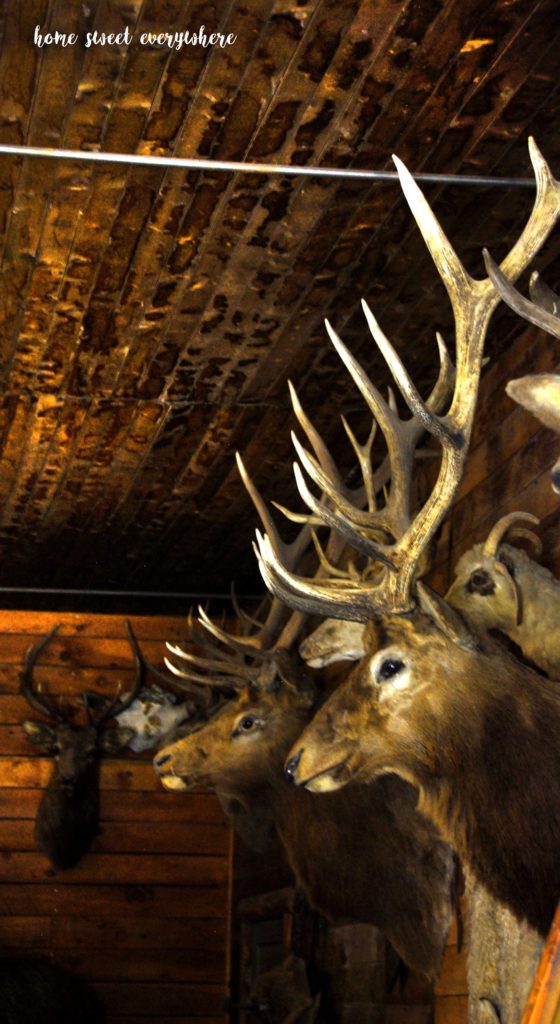
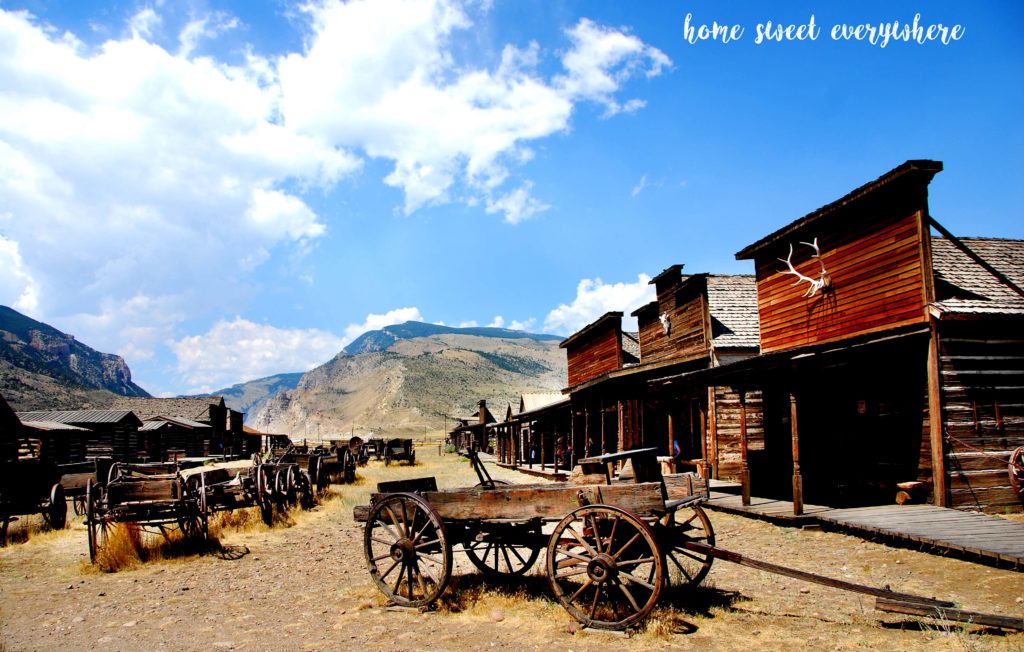
I meander in and out of the cabins along the ‘Old Town Trail.’ All of the buildings here are original, but many have been transported from other parts of the state to live and be preserved. It’s eerie, and totally cool. These men and women were true minimalists. They needed walls and hides to keep them warm and protect them from the harsh elements of the unpredictable outdoors, and it seems, not much else.
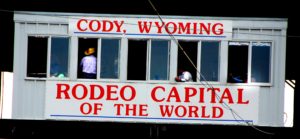
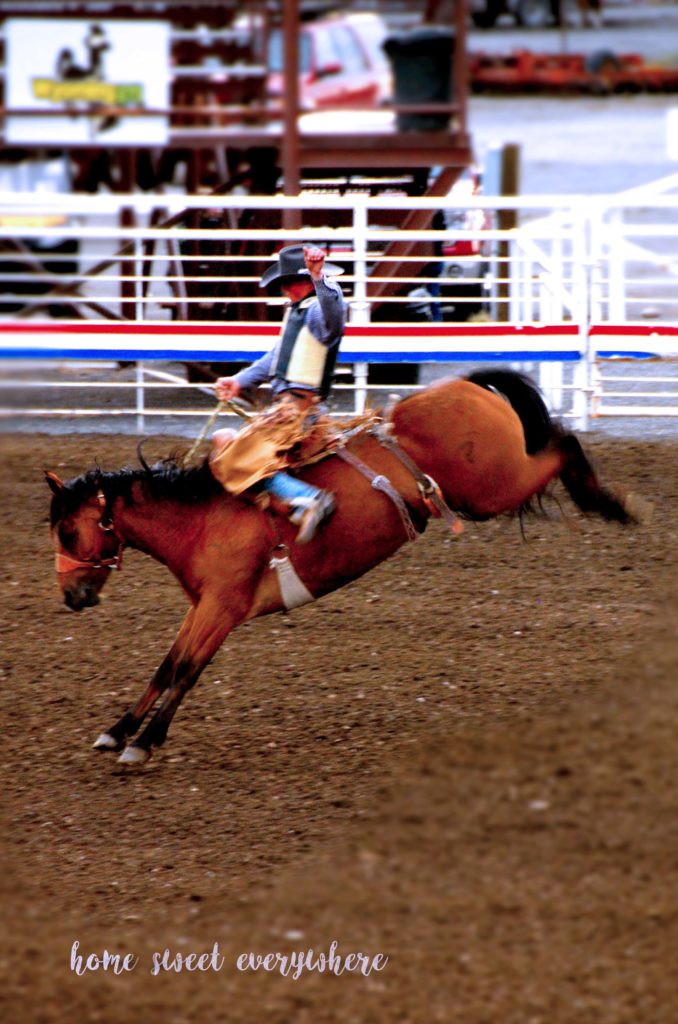
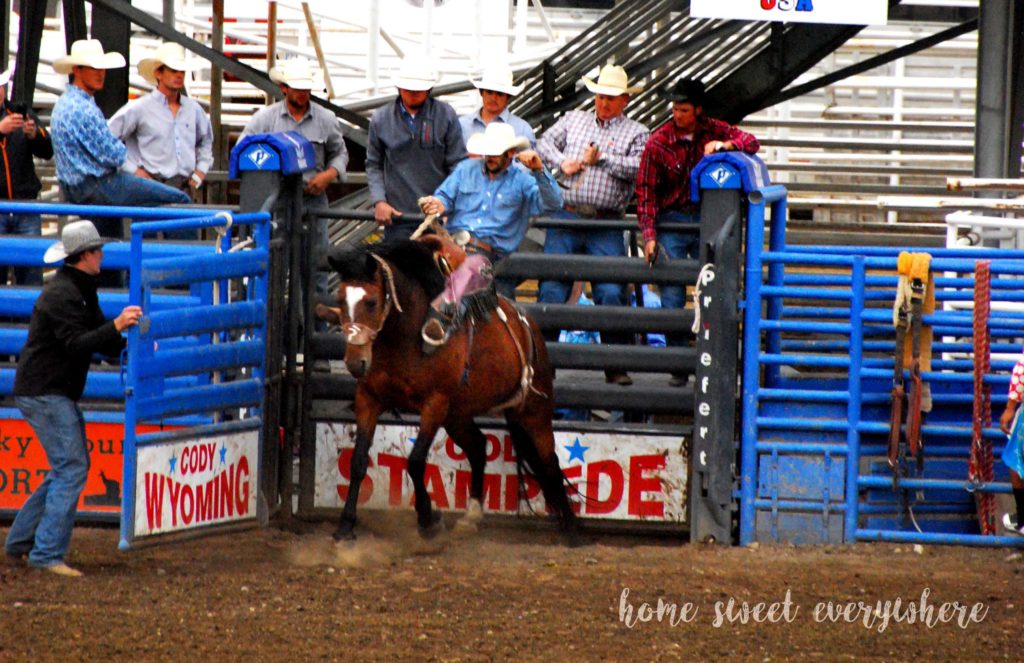
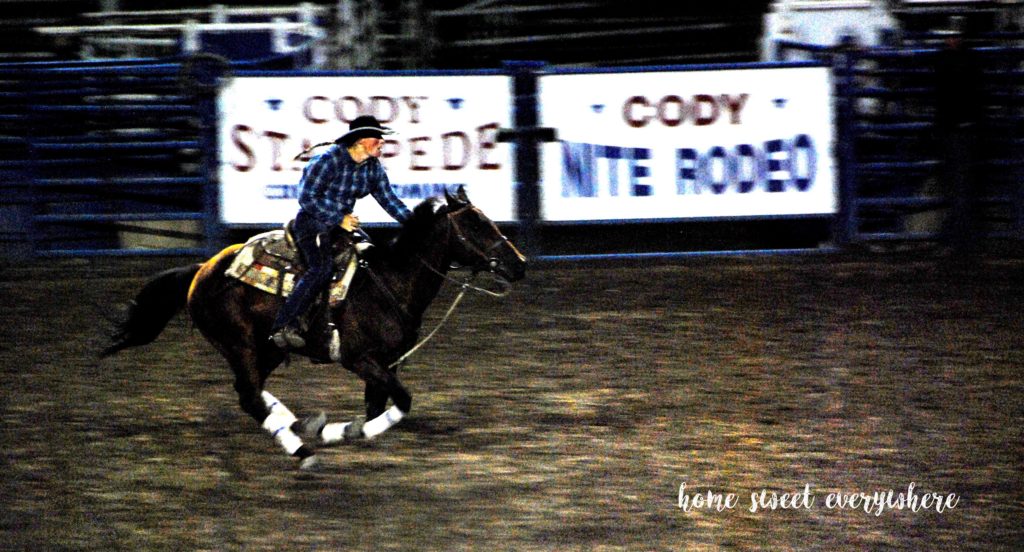
Cody is knows to be the ‘Rodeo Capital of the World’ – during the summer months they put on a rodeo every night. Every night. Which means that if you come in August, the hosts are likely to be bored of their jokes and routines…at least, that is the impression that I get. Watching the actual events is fun, but the talk in between is mundane.
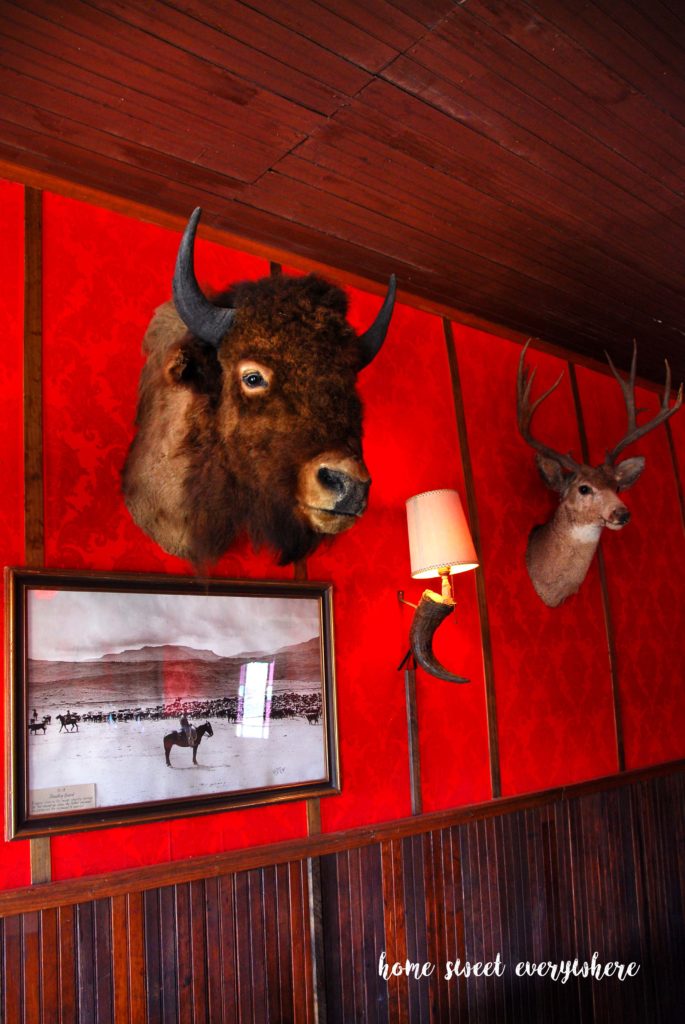
I end my trip by visiting the Irma Hotel, built by Buffalo Bill in 1902. The dining hall intricately decorated and full of tourists eating dishes that are topped with copious amounts of pancakes, eggs, sausages and bacon. I make my way to the bar, a small, enclosed corner of the hotel, and find, sitting along the bar, the town’s local ranchers. They’re real cowboys – their plaid shirts are neatly buttoned and tucked into their denim, held together by a leather belt with a big, shiny buckle. Their cowboy boots are worn in. On the bar sit the hats that protect their faces from the harsh sun. All but one sport a neat moustache. They’re all drinking Bud Light while discussing the buying and selling of cows. I don’t understand the jargon, but I listen in, sipping on my own beer. The bar tender regularly checks in with me.
“You still doing OK, honey?”
I’m blissful.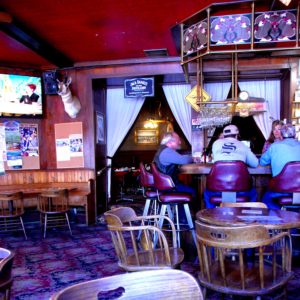
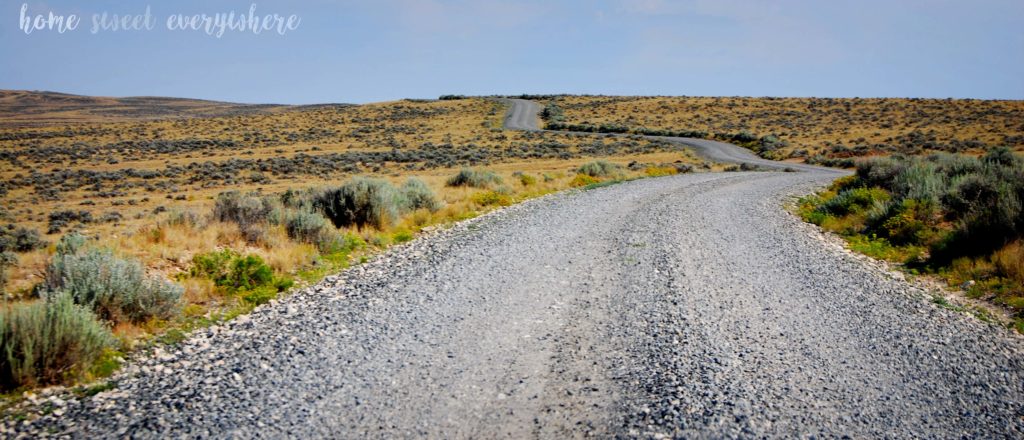
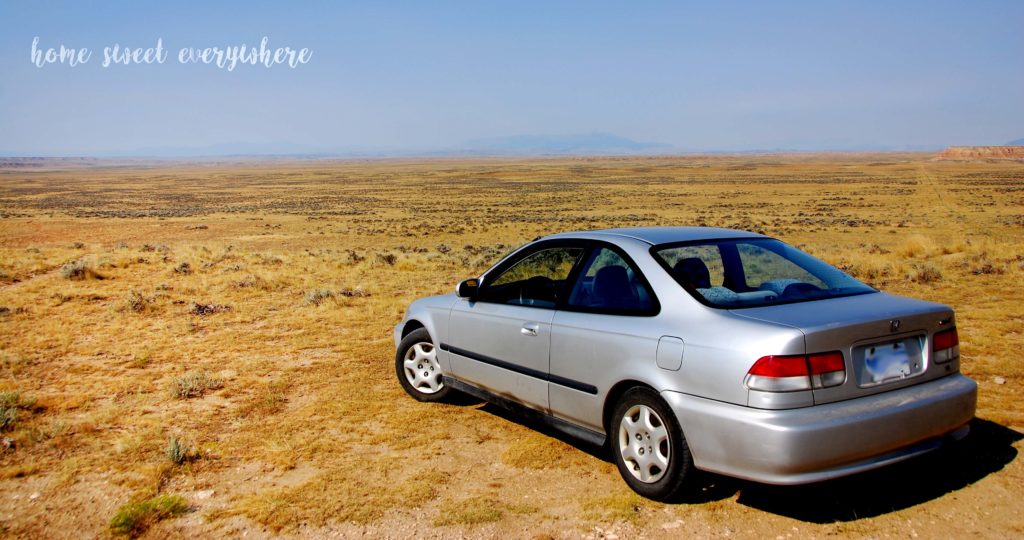
The drive out of Cody is equally stunning.